
If you've ever driven through a foggy coastal town in Southeast Asia, wandered a rainforest clearing in the Caribbean, or navigated a steamy urban neighborhood in the American South, you might have noticed something curious: even in areas where humidity clings to the air like a blanket, cell service doesn't just cut out. As a wireless towers supplier, I get asked this question all the time-especially when clients are scouting locations in high-humidity regions, where rain, salt spray, and constant moisture can feel like a threat to every piece of tech. Let me break down how wireless towers hold up (and work effectively) when the air is thick with humidity, and why our custom tower solutions are built specifically for these tough environments.
First, let's start with the basics most people don't realize: humidity doesn't actually break wireless signals. That's a common myth I hear from new clients who assume water in the air would block radio waves, but the math doesn't lie. Radio frequencies used for cell service (900 MHz, 1.8 GHz, 2.1 GHz, up to 5G's mid-band frequencies) have wavelengths that are much longer than the tiny water molecules in the air. For lower frequencies, this is even more true-water molecules can only absorb a tiny fraction of that energy, especially when humidity is below 90%. The real issue with high humidity isn't the air itself-it's what comes with it: condensation, salt corrosion, algae growth, and the occasional heavy downpour that can test every part of the tower and its antennas.
Let's get specific about those challenges. In high-humidity regions, condensation is the biggest silent enemy. When warm, moist air hits cooler metal tower components (like the steel of a self-supporting mast or the antenna brackets), water droplets form constantly. Over time, that standing water leads to rust, especially if the metal isn't coated properly. Then there's salt air, which is a major problem in coastal areas where humidity levels hover around 85% year-round. Salt is corrosive, and it seeps into tiny cracks in metal and even through some types of plastic connectors, eating away at wiring and hardware until signals get weak or cut out. And don't forget about organic growth-moss, algae, and even small vines can take root on tower surfaces when there's constant moisture, blocking air flow around antennas and interfering with signal transmission.
So how do wireless towers fight back against these humidity-driven issues? It starts with material science. Most standard towers use hot-dip galvanized steel, but for high-humidity, coastal, or tropical environments, we upgrade that to a higher-grade galvanization process-called super-dip galvanization-or even use aluminum alloy for key components. Aluminum doesn't rust, and it resists salt corrosion much better than steel, though it's not as strong for very tall towers. For the actual antennas, we use weather-sealed connectors and radomes-protective plastic covers that shield the delicate internal electronics from water and dust. Radomes are made from materials that don't block radio waves, but are designed to shed water quickly, so condensation doesn't build up on the antenna's surface during heavy humidity.
Another key factor is tower design, especially when you're working with limited space in dense, humid urban areas or natural landscapes where you don't want a giant steel structure sticking out. That's where our camouflaged tower solutions come in, which are perfect for high-humidity regions where aesthetics matter as much as function. For example, a lot of our clients in tropical locations love our camouflaged options because they blend into the landscape while holding up to heavy rain and humidity. Let's take a look: our bionic palm tree steel monopole antenna tower is engineered to mimic real palm fronds and trunk, using weather-resistant fiberglass for the "leaves" and heavy-duty steel for the core. The fiberglass doesn't absorb water, so it doesn't grow algae easily, and the steel trunk is coated with our custom anti-corrosive paint that stands up to constant salt air and humidity. You can read more about this design here: Bionic Palm Tree Steel Monopole Antenna Tower. These camouflaged towers aren't just for looks-they solve real humidity-related problems by keeping the core electronics protected, and they avoid the kind of visual clutter that can cause pushback from local communities in humid, lush areas.
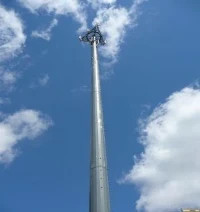
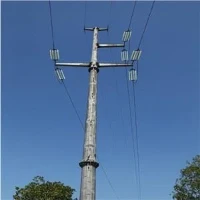
Even our self-supporting towers, which are often used in rural high-humidity zones, are built with humidity in mind. Our GSM Self Supporting Antenna Tower is made with a four-legged steel frame that's hot-dip galvanized twice, not once, to create a thick, protective layer that resists rust from condensation and moisture. The base of the tower is elevated above ground level, so when heavy rain comes, water doesn't pool around the foundation and seep into the electrical components at the tower's base. That's a small design choice, but it makes a huge difference in regions where rain can last for hours or days. You can learn more about these towers here: GSM Self Supporting Antenna Tower.
Now, let's talk about signal performance in high humidity, because that's what everyone cares about at the end of the day. When humidity levels spike, the only time it affects signal is during heavy, sustained rain, which can slightly attenuate (weaken) higher frequency signals like 5G. But modern towers have adjustable tilt for antennas, and our tech team calibrates the signal frequency and antenna placement to compensate for that. We also add signal boosters at the tower site for areas that experience frequent heavy rain, so even if there's a small temporary dip, it doesn't translate to dropped calls or slow data. For example, in a recent project we did in Panama City, where humidity averages 88% year-round and daily afternoon rains are common, we installed a mix of our camouflaged palm tree towers and self-supporting towers with integrated signal boosters. The client reported zero significant signal drops in 18 months, even during the wettest part of the year.
Maintenance is another big piece of the puzzle, and it's something we work closely with our clients on, because even the best-designed tower will need a little upkeep in high humidity. We recommend quarterly inspections to check for corrosion on antenna connectors, clean any algae that might have started growing on radomes, and tighten any bolts that might have loosened from wind during rainstorms. In very high-humidity coastal areas, we also offer annual coating touch-ups for steel towers, which helps keep the anti-corrosive layer intact. Our team provides a free maintenance checklist for every tower we sell, tailored specifically to the humidity level of the region where it's installed, so clients don't have to guess what to look for.


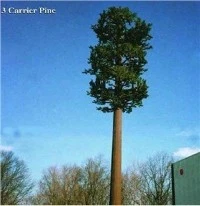
Wait, I should also address a common concern from city planners: what about tower visibility in humid, crowded areas? In places like Miami or Singapore, where humidity is high and every inch of real estate is valuable, a giant steel tower can stick out like a sore thumb. That's where our line of stealth towers comes in. Our camouflaged options-including camouflaged stealth tree towers and cell phone towers disguised as trees-are engineered to look exactly like real trees or even flagpoles or church steeples, depending on the local area. The best part? These camouflaged designs use the same weather-sealed components and anti-corrosive materials as our standard towers, so they work just as well in high humidity. For example, our camouflaged stealth tree tower is made with UV-stabilized, water-resistant fiberglass that mimics oak or pine trunks, and the antenna is hidden inside the trunk, protected from condensation and rain. You can explore these solutions here: Used To Camouflage Telecom Antenna Mast, Camouflaged Stealth Tree Tower, and Cell Phone Towers Disguised As Trees. We've found that in humid urban areas, these camouflaged towers not only avoid zoning issues, but they also perform better because the hidden antenna is better protected from the elements.
Let me share a real example to drive this home. Last year, a client in Kuala Lumpur reached out to us because their existing tower was failing. It was a standard steel tower installed 5 years earlier, and by year 3, salt corrosion from the Malaysian humidity had started to eat through the antenna connectors, leading to frequent outages. We replaced it with two of our camouflaged bionic palm tree towers, strategically placed to cover the client's service area. We used our super-dip galvanized steel core, weather-sealed radomes, and integrated signal boosters. A year later, the client reported that outage rates were down 92%, and local residents didn't even notice the towers were there-they thought it was just part of the palm tree grove along the highway. That's the kind of result we aim for in high-humidity regions: performance that lasts, and a design that works with the environment, not against it.
Now, if you're planning to deploy a wireless tower in a high-humidity region-whether that's a coastal town, a tropical forest, a dense urban neighborhood, or any area with consistent moisture and humidity levels above 70%-it's important to work with a supplier that understands the specific challenges of those environments. Off-the-shelf towers might work in dry climates, but they'll quickly degrade or underperform in high humidity. That's why we've spent years refining our designs to address condensation, corrosion, and organic growth, while making sure the signal stays strong year-round.
Whether you need a rugged self-supporting tower for a remote rural high-humidity area, a camouflaged palm tree tower for a tropical resort, or a stealth tree tower for a dense urban neighborhood, we have solutions tailored to your needs. Our team can help you assess the humidity level of your site, recommend the right materials and design, and even provide a long-term maintenance plan to keep your tower working effectively for decades.
If you're ready to discuss your project, or just have more questions about how our towers perform in high-humidity environments, our team is here to help. We don't do one-size-fits-all solutions, especially when it comes to wireless infrastructure in tough climates. Contact us today to get started on a solution that works for your specific location and needs.
References
- Federal Communications Commission. (2022). Radio Wave Propagation for Wireless Communication Systems. FCC Office of Engineering and Technology.
- International Telecommunication Union. (2021). Weather Effects on Terrestrial Radio Communication. ITU Radiocommunication Bureau.
- Steel Structures Painting Council. (2020). Corrosion Protection for Steel in High Humidity and Coastal Environments. SSPC.
- Wireless Infrastructure Association. (2023). Tower Design and Maintenance for Tropical and Coastal Climates. WIA Technical Committee.