
If you've ever stood at a parade, community rally, or state fair, craning your neck to make out tattered fabric flapping at the top of a wobbly, dented wooden pole, you might've wondered: could that flag be flying from something sturdier? As a steel poles supplier who's spent the last decade engineering, manufacturing, and installing all kinds of metal support structures-from telecom towers to power poles-I get this question more often than you'd think. Most people assume flagpoles are one thing, wood or fiberglass, and steel is reserved for utility or telecom work. But the truth is, steel poles are not just functional for power grids or cell networks; they make exceptional, long-lasting flagpoles for every kind of outdoor space, from small town squares to professional sports stadiums. Let's break down why this works, how it compares to traditional flagpole materials, and why steel might just be the best choice for your next flag display.
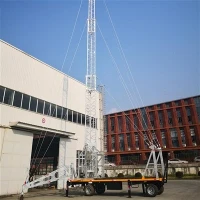
First, let's get the basics out of the way. What makes a good flagpole? It needs to support the weight of different size flags, hold up to extreme weather, resist rust and corrosion, look polished for years, and be tall enough to make a bold visual statement without bending or toppling over. Traditional flagpoles often use aluminum or wood, but both have clear flaws. Aluminum is lightweight, but it dents easily in high winds, fades in sunlight, and requires regular refinishing to keep it looking new. Wood is natural and warm, but it rots, splinters, and needs frequent sealing to stand up to rain and snow. Steel, on the other hand, has been engineered for exactly the kind of heavy-duty outdoor stress that flagpoles face-and that's not just for telecom or utility work, either. At my company, we design and manufacture steel poles for all kinds of heavy-use applications, like the GSM Antenna Communication Monopole Tower for cell networks, where poles need to support hundreds of pounds of equipment and withstand 100+ mph winds year-round. The same engineering principles that make those telecom poles reliable translate perfectly to flagpoles.
Take corrosion resistance, for example. If you've ever seen a wooden flagpole left outdoors for a few years, you know how quickly it starts to turn gray, crack, and develop soft spots after rain or snow. Aluminum fades and gets chalky after a season or two in direct sunlight. Steel poles, though, can be treated to resist corrosion far better than any other common flagpole material. We use bitumen coating and galvanization for most of our outdoor steel structures, like our Bitumen Steel Utility Poles, which are designed to withstand harsh coastal or industrial environments where salt or chemicals would eat through unprotected metal. For flagpoles, a galvanized steel pole with a powder-coat finish offers double protection: the galvanized layer creates a barrier against rust, and the powder coat locks in color so your flagpole doesn't fade after a few summers. I've seen steel flagpoles installed near the ocean in Florida that still look brand new 15 years later, while neighboring wooden flagpoles had to be replaced three times in that same period. That kind of longevity isn't just convenient-it saves thousands of dollars in maintenance and replacement costs over time.
Next, structural integrity. A flagpole has to do two key things: hold up a flag that can be 20 feet tall and weigh 50+ pounds when fully unfurled, and stay upright in wind gusts that are common during storms or high-altitude locations. Traditional aluminum flagpoles are often hollow and thin, so they bend or even collapse in strong winds. Wood is naturally porous, so it can weaken over time as it absorbs water, leading to cracks or splits that compromise its strength. Steel, though, can be engineered to have the exact diameter, thickness, and structural support needed for your specific flag and location. For example, a 60-foot steel flagpole in a downtown square can be built with a thicker base wall to handle the torque from a 30-foot flag in 50 mph winds, while a shorter residential flagpole can be a slimmer, lighter steel pole that fits in a front yard. This is the same customization we do for our Bionic Communication Galvanized Single Tube Steel Tower, where we adjust every part of the pole's design to fit its exact use case-whether that's supporting a 100-pound antenna or a 40-pound flag. Unlike generic off-the-shelf aluminum flagpoles, steel poles can be tailored to your needs, so you never have to worry about a pole that's too flimsy or too bulky for your space.
Another big benefit is versatility in height and aesthetic. For many public spaces, the height of a flagpole is as important as its durability. A tall flagpole makes the flag visible from blocks away, which is critical for community events, government buildings, or sports venues. Wooden flagpoles max out around 80 feet for most commercial uses, and aluminum is only slightly taller, but steel poles can be built to 100 feet or more without losing structural stability. We've installed steel poles as tall as 120 feet for university stadiums, where the flag needs to be visible across the entire football field. What's more, steel poles can be finished to look exactly like traditional flagpoles-no industrial look required. You can choose a matte black, silver, or even a custom color powder coat to match your building's exterior or branding. Unlike aluminum, which often has a shiny, metallic finish that looks out of place in historic districts, steel can be coated to look smooth and uniform, blending in with any setting. We even design H-Frames Galvanized Steel Pole Structures for low-profile applications where a thicker base adds stability without the tall, monopole look, perfect for smaller town halls or community centers that want a classic flagpole style without sacrificing strength.
I know what you're thinking: "Steel is heavy, so installing a flagpole would be way more complicated, right?" That's a common misconception. While steel is denser than aluminum, modern installation methods have made it just as easy to set up a steel flagpole as any other. Most steel flagpoles come in sections that are assembled on-site, so you don't need to lift a 60-foot solid steel pole in one piece. The base is set in concrete, just like any other flagpole, and the sections are bolted together with heavy-duty fasteners. For smaller, residential flagpoles, we even offer lightweight steel poles that can be installed with just a few people, no crane needed. The only extra step is making sure the base is sized properly for the weight of the steel pole, which is a straightforward part of the design process we handle for every customer.
Of course, no material is perfect, and steel flagpoles aren't for everyone. If you need a very small, residential flagpole for a tiny front yard, a lightweight aluminum pole might be cheaper and more practical. But for commercial, public, or large-scale applications, steel wins every time. Let's run the numbers: a 40-foot aluminum flagpole might cost $1,500 upfront, but it will need to be refinished every 3 years at $500 a pop, and replaced after 10 years total, costing you $3,000 over that decade. A 40-foot steel flagpole might cost $2,500 upfront, but it has no refinishing costs, and lasts 50 years or more, saving you $10,000 over the same period. For a 100-foot stadium flagpole, the gap is even bigger: aluminum would cost $10,000 upfront, need annual maintenance, and last 15 years, while steel would cost $15,000 upfront, last 60 years, and have almost no maintenance. That kind of long-term value is hard to beat, especially for organizations with limited budgets for upkeep.
I've seen firsthand how steel flagpoles transform spaces. A few years ago, a small town in Maine came to us after their 50-foot wooden flagpole had rotted and collapsed during a winter storm. They needed a new pole that could handle the harsh coastal winds and salt air, and last long enough to be a symbol of the town for generations. We built them a 50-foot galvanized steel flagpole with a black powder coat finish, and coated the base with our bitumen treatment to resist saltwater exposure. Three years later, they sent us photos of the flagpole still looking like new, flying the town's flag proudly above their downtown square-no cracks, no rust, no bending, even through two brutal Maine winters. That's the kind of reliability only steel can provide.


At the end of the day, a flag is meant to stand for something: community, pride, history, or achievement. The pole it flies on should be just as reliable, just as durable, as the message it carries. For too long, people have written steel poles off as just utility equipment, but that's a mistake. The same engineering that makes steel poles perfect for power grids and cell towers is exactly what makes them perfect for flagpoles: they're strong, long-lasting, corrosion-resistant, and customizable to fit any space. If you're tired of replacing flimsy aluminum flagpoles every few years, or dealing with rotting wooden ones that don't hold up to the weather, it's time to consider steel.
If you're ready to upgrade your flag display with a steel pole that will last for decades, we can help. Whether you need a small residential flagpole, a large commercial pole for a stadium, or a custom-designed pole for a historic district, our team can work with you to create the perfect solution for your needs. Reach out to start a conversation about your next flagpole project.
References
- Steel Structures Painting Council. (2002). Surface Preparation and Coating of Steel for Corrosion Protection.
- American National Standards Institute (ANSI). (2018). Standard for Structural Steel Pole Design for Outdoor Applications.
- National Association of Corrosion Engineers (NACE). (2021). Corrosion Resistance of Galvanized and Coated Steel in Outdoor Environments.
- International Code Council (ICC). (2020). Standard for Wind Load Calculations for Structural Poles.