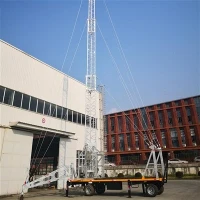

Maintaining steel poles is a crucial task that ensures their longevity, structural integrity, and optimal performance. As a leading steel poles supplier, we understand the significance of proper maintenance in preserving the quality and functionality of these essential structures. In this blog, we will delve into the best practices for maintaining steel poles, offering insights and tips to help you keep your assets in top condition.


Understanding the Importance of Steel Pole Maintenance
Steel poles are widely used in various applications, including power transmission, telecommunications, lighting, and signage. They are exposed to a range of environmental factors, such as moisture, UV radiation, temperature fluctuations, and chemical pollutants, which can cause corrosion, rust, and other forms of damage over time. Regular maintenance helps to prevent these issues, extend the lifespan of the poles, and reduce the risk of costly repairs or replacements.
In addition to protecting the poles from physical damage, maintenance also plays a vital role in ensuring the safety of the surrounding environment. Damaged or weakened poles can pose a significant hazard to people and property, especially in high-traffic areas or during extreme weather conditions. By performing routine inspections and maintenance, you can identify and address potential problems before they escalate into serious safety concerns.
Key Maintenance Steps for Steel Poles
Inspections
Regular inspections are the foundation of an effective maintenance program for steel poles. Visual inspections should be conducted at least once a year, or more frequently in areas with harsh environmental conditions or high levels of pollution. During these inspections, look for signs of corrosion, rust, cracks, dents, or other damage to the pole's surface. Pay special attention to areas that are prone to moisture accumulation, such as the base of the pole, joints, and connections.
In addition to visual inspections, non-destructive testing (NDT) methods, such as ultrasonic testing, magnetic particle testing, and radiographic testing, can be used to detect internal defects or damage that may not be visible to the naked eye. These tests should be performed by qualified professionals at regular intervals, depending on the age, condition, and usage of the poles.
Cleaning
Cleaning the steel poles regularly helps to remove dirt, debris, and other contaminants that can accelerate corrosion and damage. Use a mild detergent and water solution to clean the poles, followed by a thorough rinse with clean water. Avoid using abrasive cleaners or tools that can scratch the surface of the steel, as this can create a pathway for corrosion to occur.
For poles that are located in areas with high levels of pollution or saltwater exposure, more frequent cleaning may be necessary. In these cases, a specialized cleaning solution or pressure washing may be required to effectively remove the contaminants.
Coating and Painting
Applying a protective coating or paint to the steel poles can help to prevent corrosion and extend their lifespan. Galvanizing is a common method of protecting steel poles, which involves applying a layer of zinc to the surface of the steel. The zinc acts as a sacrificial anode, protecting the steel from corrosion by corroding itself first.
In addition to galvanizing, other types of coatings, such as epoxy, polyurethane, or powder coatings, can also be used to provide additional protection against corrosion, UV radiation, and other environmental factors. These coatings should be applied according to the manufacturer's instructions and inspected regularly to ensure their integrity.
Tightening and Adjusting
Over time, the bolts, nuts, and other fasteners on the steel poles may become loose due to vibration, temperature changes, or other factors. Regularly tightening these fasteners can help to prevent the poles from becoming unstable or shifting out of position. In addition, adjusting the tension of the guy wires or cables can help to ensure the proper alignment and stability of the poles.
Repairing and Replacing Damaged Components
If any damage or defects are detected during the inspections, it is important to repair or replace the affected components as soon as possible. Minor damage, such as small cracks or dents, can often be repaired using welding or other repair techniques. However, more severe damage may require the replacement of the entire pole or component.
When repairing or replacing damaged components, it is important to use high-quality materials and follow the manufacturer's specifications and guidelines. This will help to ensure the structural integrity and safety of the poles.
Maintenance Considerations for Different Types of Steel Poles
Different types of steel poles may require different maintenance approaches, depending on their design, application, and environmental conditions. Here are some maintenance considerations for some common types of steel poles:
Transmission Line Steel Pole Tower
Transmission line steel pole towers are used to support high-voltage power lines and are typically located in outdoor environments. These poles are exposed to a range of environmental factors, such as wind, rain, snow, and ice, which can cause corrosion, rust, and other forms of damage. Regular inspections, cleaning, and coating are essential for maintaining the structural integrity and safety of these poles.
H-Frames Galvanized Steel Pole Structures
H-frames galvanized steel pole structures are commonly used in power distribution systems and are designed to provide support for multiple conductors. These poles are typically galvanized to protect them from corrosion, but regular inspections and maintenance are still required to ensure their long-term performance. Pay special attention to the connections and joints between the poles and the crossarms, as these areas are prone to stress and wear.
Long-span Power Transmission Tower
Long-span power transmission towers are used to support overhead power lines over long distances and are typically located in remote or challenging environments. These poles are subjected to high winds, heavy loads, and other extreme conditions, which can cause significant stress and damage. Regular inspections, maintenance, and monitoring are essential for ensuring the safety and reliability of these poles.
Octagonal Steel Pipe With Hot-dip Galvanizing
Octagonal steel pipes with hot-dip galvanizing are commonly used in lighting, signage, and other applications. These poles are typically galvanized to provide corrosion protection, but regular cleaning and inspection are still required to maintain their appearance and performance. Pay special attention to the base of the pole, as this area is prone to moisture accumulation and corrosion.
Hot DIP Galvanized Utility Steel Pole For Electrical Lines
Hot dip galvanized utility steel poles for electrical lines are designed to provide reliable support for power distribution systems. These poles are typically galvanized to protect them from corrosion, but regular inspections and maintenance are still required to ensure their long-term performance. Pay special attention to the grounding system, as this area is essential for ensuring the safety of the electrical system.
The Role of Professional Maintenance Services
While regular inspections and maintenance can be performed by in-house staff, it is often beneficial to hire professional maintenance services to ensure the thoroughness and effectiveness of the maintenance program. Professional maintenance companies have the expertise, experience, and equipment necessary to perform comprehensive inspections, cleaning, coating, and repair services on steel poles.
In addition to providing routine maintenance services, professional maintenance companies can also offer customized solutions based on the specific needs and requirements of your steel poles. They can develop maintenance plans, schedules, and budgets that are tailored to your assets, ensuring that they receive the right level of care and attention.
Contact Us for Steel Pole Purchases and Maintenance Advice
As a trusted steel poles supplier, we are committed to providing high-quality products and services to our customers. Whether you are in need of new steel poles for your project or require maintenance and repair services for your existing poles, we are here to help.
Our team of experts can provide you with detailed information about our products, including Transmission Line Steel Pole Tower, H-Frames Galvanized Steel Pole Structures, Long-span Power Transmission Tower, Octagonal Steel Pipe With Hot-dip Galvanizing, and Hot DIP Galvanized Utility Steel Pole For Electrical Lines. We can also offer advice and guidance on how to maintain your steel poles to ensure their longevity and performance.
If you are interested in purchasing steel poles or learning more about our maintenance services, please contact us today. We look forward to working with you and helping you meet your steel pole needs.
References
- American Society for Testing and Materials (ASTM). (2023). Standards for steel poles and related products.
- National Electrical Safety Code (NESC). (2023). Safety requirements for electrical power generation, transmission, and distribution.
- Steel Structures Painting Council (SSPC). (2023). Standards for painting and coating steel structures.