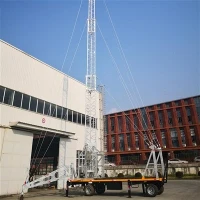

So, you've got a 120ft guy mast and you're thinking about installing a warning light on it. Well, you've come to the right place! As a supplier of 120ft guy masts, I've got plenty of hands - on experience with this kind of thing.
Why Install a Warning Light?
First off, let's talk about why you'd want to install a warning light on your 120ft guy mast. Safety is the number one reason. These masts are pretty tall, and they can pose a risk to low - flying aircraft, especially at night or in poor visibility conditions. A warning light makes the mast more visible, reducing the chances of an accident.
Another reason is that in many areas, it's actually a legal requirement to have warning lights on tall structures like 120ft guy masts. So, if you don't install one, you could end up facing some fines.
What You'll Need
Before you start the installation process, you'll need to gather a few things.
- Warning Light: There are different types of warning lights available. You can choose between steady - burning lights and flashing lights. Flashing lights are usually more noticeable, but steady - burning lights can also do the job. Make sure the light is rated for outdoor use and can withstand the weather conditions in your area.
- Mounting Hardware: This includes brackets, bolts, and nuts to attach the warning light to the mast. The hardware should be made of a durable material like stainless steel to prevent rusting.
- Electrical Wiring: You'll need to run electrical wiring from a power source to the warning light. The wiring should be rated for the voltage and amperage of the light. You might also need some conduit to protect the wiring from the elements.
- Power Source: You can either connect the warning light to a nearby electrical outlet or use a solar - powered system. Solar - powered lights are a great option because they're energy - efficient and don't require a connection to the grid.
Step - by - Step Installation Process
Step 1: Choose the Right Location
The first step is to decide where on the mast you're going to install the warning light. It's best to place the light at the top of the mast for maximum visibility. However, make sure it doesn't interfere with any antennas or other equipment that might be on the mast.
Step 2: Prepare the Mounting Area
Once you've chosen the location, clean the area on the mast where you'll be attaching the light. Remove any dirt, rust, or debris. This will ensure a good connection between the mounting hardware and the mast.


Step 3: Install the Mounting Bracket
Use the bolts and nuts to attach the mounting bracket to the mast. Make sure the bracket is level and securely fastened. You might need a wrench or a socket set to tighten the bolts properly.
Step 4: Attach the Warning Light to the Bracket
Once the bracket is installed, carefully attach the warning light to it. Follow the manufacturer's instructions for this step. Usually, it involves aligning the holes on the light with the holes on the bracket and using bolts to secure them together.
Step 5: Run the Electrical Wiring
Now it's time to run the electrical wiring from the power source to the warning light. If you're using a solar - powered system, you'll need to connect the light to the solar panel. If you're using a traditional electrical outlet, you'll need to run the wiring through a conduit and connect it to the outlet. Make sure all the connections are tight and secure to prevent any electrical problems.
Step 6: Test the Warning Light
After you've completed the wiring, it's time to test the warning light. Turn on the power source and see if the light comes on. If it doesn't, check the wiring connections and make sure everything is properly installed.
Additional Tips
- Weatherproofing: Make sure to weatherproof all the electrical connections to prevent water damage. You can use electrical tape or waterproof sealant for this.
- Maintenance: Regularly check the warning light for any signs of damage or malfunction. Replace any worn - out parts as soon as possible.
Related Products
If you're in the market for other tower - related products, we've got some great options for you. Check out our COWs Mobile Telecomcommunication Base Station, Portable Cell On Wheels Tower Systems, Cell on wheels Portable Tower, Cell On Wheels Telescopic Mobile Tower, and Moveable Telecommunication Mobile Towers. These products are designed to meet the needs of various telecommunication and tower - related applications.
Contact for Purchase
If you're interested in our 120ft guy masts or any of the related products, and you want to discuss your specific requirements or get a quote, don't hesitate to reach out. We're here to answer all your questions and help you make the right decision for your project.
References
- "Tower Safety Guidelines" - Federal Aviation Administration
- Manufacturer's manuals for warning lights and related equipment
- Local building and safety codes regarding tall structures and warning lights