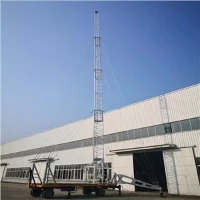


Effects of Aviation Lights on Signal Towers
1. Enhanced Visibility
The primary purpose of aviation lights on signal towers is to increase their visibility, making them easy to see from a distance. By providing an early warning system to pilots, the likelihood of collisions happening is significantly reduced. In good visibility conditions, aviation lights may not be visible from a great distance, but they play an integral role in low-visibility conditions such as fog, snow, and rain.
2. Compliance with Regulations
The requirement for aviation lights on signal towers is mandated by the Federal Aviation Administration (FAA) and other aviation regulatory bodies around the world. For instance, in the United States, signal towers that exceed 200 feet are required to have red lights mounted on the highest point, with white lights below the red.
The regulations also specify the required color and intensity of lights as per the structure's height, making it easy for pilots to identify them. The use of aviation lights helps signal tower owners comply with the guidelines and avoid penalties.
3. Reduced Collisions
According to the FAA, the placement of aviation lights on signal towers significantly reduces the risk of mid-air collisions. In 2018 alone, there were about 42,000 incidents of airborne obstacles and other mid-air hazards reported in the United States. Such incidents could lead to catastrophic consequences, putting the lives of passengers and crew at risk.
Aviation lights on signal towers improve the safety of the airspace by reducing collisions and making the towers visible even in low-visibility conditions. With the aid of aviation lights, pilots can adjust their course in time, ensuring that they stay within safe flying zones.
4. Increased Flight Efficiency
Aviation lights on signal towers also play a role in enhancing flight efficiency. By alerting pilots of the presence of signal towers, they can plan their routes accordingly, avoiding delays and diversions. Without aviation lights, pilots would have to rely on their experience and visual cues to identify signal towers, leading to wasted time and increased fuel consumption.
Moreover, the use of aviation lights helps airport authorities and airlines to manage their resources better. By reducing the risk of accidents and improving flight safety, they can plan their schedules and services more efficiently, leading to increased profitability.
Aviation lights on signal towers have several beneficial effects. They improve visibility, enhance safety, reduce the risk of mid-air collisions, and increase flight efficiency. While they may seem like a simple addition to signal towers, their significance cannot be understated. Without aviation lights, the safety of airspace would be compromised, leading to disastrous consequences. As technology advances, aviation lights will continue to play a crucial role in improving aviation safety, ensuring that the skies remain safe for everyone.