

Introduction
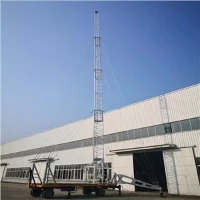
Telecommunication tower batteries are one of the most important components of any telecommunications infrastructure. They are responsible for powering up the equipment that enables the transfer of data and voice signals over long distances.
Characteristics of Telecommunication Tower Batteries
Telecommunication tower batteries must possess specific characteristics to perform optimally in their intended applications. These characteristics include the following:
- High energy density: Telecommunication tower batteries should have a high energy density to provide the maximum amount of power possible for the smallest possible size and weight.
- High cycle life: Telecommunication tower batteries should have a high cycle life, which refers to the number of times they can be discharged and recharged before their capacity starts to degrade significantly.
- High discharge rate: Telecommunication tower batteries should be able to discharge quickly to provide power to telecommunication equipment when needed.
- Wide temperature range: Telecommunication tower batteries should work effectively over a broad temperature range to accommodate different climates and environments.
Types of Telecommunication Tower Batteries
The most common types of telecommunication tower batteries include lead-acid batteries, nickel-cadmium batteries, and lithium-ion batteries.
1. Lead-Acid Batteries
Lead-acid batteries are the most common type of telecommunication tower battery used today. They are relatively inexpensive and have been around for a long time, making them easy to procure and maintain. However, they have some disadvantages, such as a lower energy density, a shorter cycle life, and a larger size and weight compared to other battery types.
2. Nickel-Cadmium Batteries
Nickel-cadmium batteries are another common type of telecommunication tower battery. They offer a higher energy density, a longer cycle life, and a more compact size than lead-acid batteries. However, they are more expensive and can suffer from memory effect, which decreases their capacity over time.
3. Lithium-Ion Batteries
Lithium-ion batteries are the newest and most advanced type of telecommunication tower battery. They offer the highest energy density, the longest cycle life, and the smallest size and weight. Lithium-ion batteries are also more expensive than other types, and their performance can be affected by high temperatures.
Applications of Telecommunication Tower Batteries
Telecommunication tower batteries are used in various applications, such as backup power systems, hybrid power systems, and remote power systems.
1. Backup Power Systems
Telecommunication tower batteries are often used as backup power systems in case of grid power outages. During power outages, telecommunication equipment needs to be operational to maintain vital communications between emergency services, businesses, and individuals.
2. Hybrid Power Systems
Telecommunication tower batteries are combined in hybrid power systems with other power sources such as solar panels, wind turbines, and diesel generators. These systems provide reliable and continuous power supply for telecommunication equipment in remote and off-grid areas.
3. Remote Power Systems
Telecommunication tower batteries are used in remote power systems where grid power is not available. These systems include remote telecommunication towers, weather stations, and other remote monitoring equipment.
Telecommunication tower batteries are critical components in telecommunication infrastructure, providing the power necessary for effective communication. They must possess specific characteristics such as high energy density, high cycle life, high discharge rate, and wide temperature range to function properly. The types of telecommunication tower batteries include lead-acid batteries, nickel-cadmium batteries, and lithium-ion batteries. They have various applications such as backup power systems, hybrid power systems, and remote power systems. Telecommunication tower batteries are constantly evolving, and newer technologies are being developed to improve their performance and efficiency in telecommunication applications.