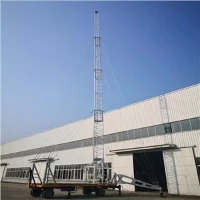



The maintenance frequency of wireless communication towers depends on a variety of factors, including the structure of the tower, the environment in which it is located, the age of service, and the maintenance strategy of the operator. Generally, maintenance work includes but is not limited to the following aspects:
Structural inspection: Regularly conduct safety inspections on the structure of the communication tower, including the tower body, tower frame, lightning protection facilities, etc., to ensure its stability and durability.
Equipment inspection: Regularly inspect and test the communication equipment on the tower, including antennas, amplifiers, transceivers, etc., to ensure their normal operation and the quality of signal transmission.
Electrical system inspection: Regularly check the electrical system on the tower, including power supply, grounding system, cable connection, etc., to ensure its safety and reliability.
Environmental adaptability inspection: Regularly check the environment around the tower, including wind force, temperature, humidity, etc., to ensure that the structure and equipment of the tower can adapt to various environmental conditions.
The maintenance frequency of wireless communication towers is usually recommended to be fully maintained at least once a quarter, while daily inspections need to be adjusted according to actual conditions. In addition, operators also need to formulate corresponding maintenance plans and emergency plans based on local climate conditions, geographical environment and other factors.
The maintenance frequency of wireless communication towers is the key to ensuring stable communications. Through regular inspections and maintenance, potential problems can be discovered and resolved in a timely manner, thereby ensuring the stable operation of the communication network and providing strong support for the normal operation of society.