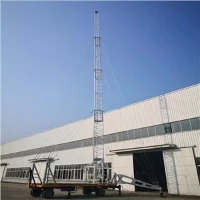


Radio towers are structures designed to facilitate the transmission of radio signals over long distances. These towers are an integral component of modern communication systems, primarily used in the broadcast of radio and television signals. They are tall, slender and vertical structures that can reach towering heights of several hundred feet or even thousands of feet, depending on their intended purpose and location.
Radio towers consist of several essential components that work in tandem to ensure that the signals transmitted through them reach their intended destinations. The most prominent part of a radio tower is its mast, which is typically the largest and tallest structure in the tower. Masts are made of durable materials like steel or concrete and can support vast amounts of weight, such as antenna systems and the tower's physical structure.
The height and location of the tower are also essential for the efficient transmission of radio signals. Radio waves travel in a straight line, so the taller the tower, the further a signal can travel before being subject to interference. Additionally, the location of the tower influences the terrain the signal has to navigate before arriving at its destination. The optimal placement of towers, therefore, is often in high-lying areas.
The transmitting room is another critical component of the radio tower. It is a small room located at the base or near the top of the tower that houses the equipment required to transmit radio signals. Typical equipment found in a transmitting room includes modulators, power amplifiers, and antennas.
The electrical power system is another critical aspect of radio towers. This system is responsible for providing power to the transmitting equipment and the tower's lighting systems. The power system is also equipped with backup generators to ensure that radio transmissions continue to operate even during power outages.
Radio towers require regular maintenance to ensure that they function correctly. High altitude technicians trained to work at significant heights inspect towers at regular intervals to check for any issues that may affect the tower's stability or antenna system. The tower's electrical grounding system must also be inspected to ensure that the tower can discharge static electricity adequately.