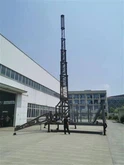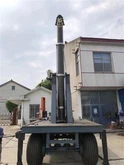


Do Cell Towers Work When Power Is Out?
Cell towers, also known as cell sites, are crucial components of the cellular network infrastructure. They rely on electricity to function and provide mobile connectivity to users within their coverage area. When the power goes out, the ability of cell towers to continue operating becomes a significant concern, especially during emergencies or natural disasters when communication is critical.
How Cell Towers Operate
Cell towers are equipped with various electronic components, including transmitters, receivers, and antennas, all of which require a constant supply of electricity to function correctly. Under normal circumstances, these towers draw power from the local electrical grid. However, when the grid experiences an outage, cell towers must have alternative power sources to remain operational.
Backup Power Solutions
To address the issue of power outages, many cell towers are equipped with backup power systems. These systems typically include:
1. Uninterruptible Power Supplies (UPS): UPS systems provide immediate, short-term power during an outage, allowing for seamless transitions to backup power sources.
2. Generators: Diesel, propane, or natural gas generators are commonly used to provide longer-term power during outages. These generators can sustain operations for several hours or even days, depending on their fuel supply.
3. Batteries: Some cell towers have large battery banks that can provide power for a limited duration. These batteries are usually charged by the main power supply or through renewable energy sources like solar panels.
Renewable Energy Sources
In recent years, there has been a growing trend towards incorporating renewable energy sources into the design of cell towers. Solar panels and small wind turbines are increasingly being used to supplement or even replace traditional power supplies. These renewable sources can help reduce the carbon footprint of cell towers and improve their resilience during power outages.
Challenges and Limitations
Despite these backup solutions, there are still challenges and limitations to keeping cell towers operational during power outages. For instance:
- Fuel Supply for Generators: Generators require a steady supply of fuel, which can be problematic during extended outages or in remote areas where refueling might be difficult.
- Battery Life: Batteries can only provide power for a limited time, after which they need to be recharged or replaced.
- Maintenance and Reliability: Backup power systems require regular maintenance to ensure they function correctly when needed. Failure of these systems can lead to cell tower downtime.
Conclusion
In conclusion, cell towers can continue to operate during power outages thanks to various backup power solutions, including UPS systems, generators, and batteries. The integration of renewable energy sources is also enhancing the resilience and sustainability of these critical communication infrastructures. However, the effectiveness of these solutions depends on factors such as fuel availability, battery capacity, and system maintenance. As technology continues to evolve, we can expect further improvements in the reliability and efficiency of cell tower power systems.
Nov 18, 2024
Do Cell Towers Work When Power Is Out?
Previous
Send Inquiry
Product Categories
Latest Products