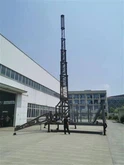


The steadiness of communication towers depends on several factors, including the quality of the materials used, the skill of the workforce that constructs the towers, and the maintenance work done on the towers.
The type of material used plays a crucial role in the steadiness of a communication tower. Steel is the most commonly used material for towers, as it is durable, strong, and can withstand harsh environmental conditions. The steel used in the construction of communication towers is often galvanized, meaning it is coated with zinc to protect against rust and corrosion. The use of galvanized steel ensures that the towers remain strong and stable over long periods, with minimal maintenance work required.
Communication Tower steadiness is not just about the towers themselves; it is also about the surrounding environment. The location of the towers is critical, as it determines the forces that the towers will encounter. The soil type, wind speed, and seismic activity in the area all have an impact on the stability of the towers. A thorough analysis of the location is essential to ensure that the towers are built to withstand the environmental factors they will be exposed to.
The first factor that determines the steadiness of communication towers is the design and construction quality. Communication towers must be designed to withstand various loads, including wind, snow, ice, and earthquake, among others. Tower designers must consider several factors, including the tower’s height, weather patterns in the area, and the type of antennas to be placed on the tower. The quality of the materials used for the construction of the tower is also another essential factor. Top-quality materials, such as high-strength steel, must be utilized to ensure the tower’s long-term stability.
Another critical factor that affects the steadiness of communication towers is the foundation. The foundation provides support and stability to the tower, ensuring that it remains stable despite external forces. The foundation must be designed to provide adequate support to the tower, taking into account various load conditions. A good foundation must be constructed in a way that minimizes the chances of soil erosion, uneven settling, or other factors that could compromise its stability.