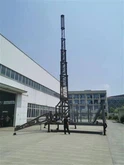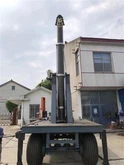


The signal tower tree is the simulation tree that hides the signal tower. The current scenic spot emphasizes the overall environment, so in many scenic spots, the original signal tower is transformed into a simulation tree, or the simulation is directly produced when a new signal tower is built. The appearance of the tree, the signal tower tree is now very common, it looks like a big tree from a distance, and it looks like a signal tower from a close up. Beijing Vale has made a lot of signal tower trees all over the country.
All over the world, there are cell tower trees that silently transmit our phone messages. They come in various species: palm, cypress, fir, elm, pine, cactus. Maybe you've passed one of these exotic trees before, or found them perched high on a natural tree line. From top to bottom, everything about these cell tower trees is natural.
Despite the best efforts of telecom and utility companies, cell tower trees are notoriously unattractive. The architecture of these tower trees is not without convincing. For example, the metal "trunk" of a pine cell tower lacks the flexibility of a natural tree and supports a small bundle of branches and fake leaves that the cell tower tree tries to hide from the hardware below.
Want to use a cell tower tree, one of the leading companies in the concealed business built cell tower trees by Vale Beijing. Cell tower trees average between 10-30 meters, standing awkwardly above other buildings to provide good cell phone coverage. Instead of the roots, xylem, and phloem that provide true tree life, cell tower trees have amplifiers, transceivers, and antennas that support the wireless communications of our mobile devices.
Most cell tower trees are constructed with man-made products such as fiberglass, plastic, and acrylic, which feel like real tree bark. We built a 28-meter-high signal tower tree on the Badaling Great Wall.
"It's often when there's some sensitive scenery, or you're building it in an area where there's a beautiful view and you want something to fit into the collective," a spokesperson for the scenic area told reporters back in 2011 when cell phone tower trees were has been erected.
In the 1980s, companies began disguising cell phone towers as cell tower trees, incorporating large metal barriers into the natural environment to make them appear more attractive. Telecom companies may also have begun to disguise the technology due to public scrutiny. Some demonstrators believe that cell towers spew dangerous radiation, while others theorize that they are being used to spy on people.
There are now an estimated 1,000 to 2,000 cell phone tower trees in the country. The first cell tower tree was built in 1992, with more than 3,000 covert items (though the company covered up everything other than cell towers), and cell tower trees were expensive. Cell phone towers already cost a fortune (about $15 on average), but replacing the towers with a tree-like garb costs an extra $100,000.