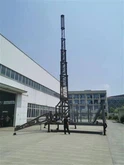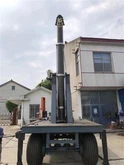


Angle communication towers are generally constructed from high-quality steel with a triangular or square-shaped cross-section. This shape provides the stability and strength needed to support heavier equipment loads and withstand high winds and other outdoor conditions. The cross-section typically consists of three or four legs that are angled and attached to a central beam structure.
The construction of angle communication towers involves creating a foundation for the tower, which is typically a concrete pad. Once the foundation is in place, the tower components are assembled and installed. These components include the tower base, tower legs, and a top cap or platform.
One of the benefits of angle communication towers is their ability to be customized to meet specific communication needs. For example, towers can be designed to accommodate different types and amounts of equipment, including antennas, dishes, and repeaters. This allows for increased capacity and improved signal coverage.
In addition to their strength and customizability, angle communication towers offer other benefits as well. They are durable and require little maintenance, making them a cost-effective option in the long term. They also have a relatively small footprint and can be installed in urban or suburban areas where space is limite
Angle communication towers are essential parts of modern communication infrastructure. They provide reliable and high-quality communication services to communities and businesses around the world. With proper planning and maintenance, these towers can continue to serve the needs of society for years to come.
Angle Communication Tower is an essential infrastructure in the telecommunication industry that helps ensure that communication systems run smoothly. Its robust structure, versatility, and ability to withstand harsh weather conditions make it an ideal solution for various installations.