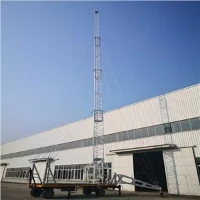


Wind speed is an important factor to consider when it comes to communication towers. These tall structures can be vulnerable to strong winds, making it crucial to ensure that they are designed and built to withstand high wind speeds.
To ensure better performance and minimize risks, communication towers must be designed and constructed to withstand varying wind speeds. The design of communication towers takes into account factors such as tower height, weight, shape, and stability. Engineers use guidelines and standards to determine wind load and account for aerodynamic forces such as wind turbulence, vortex shedding, and wind gusts.
The American Society of Civil Engineers (ASCE) recommends that communication tower structures should be designed to withstand a minimum wind speed of 80 miles per hour (mph). The Federal Communications Commission (FCC) also sets standards that require a communication tower to be designed to withstand wind speeds up to 100 mph, depending on the location of the tower. However, specific designs may vary, depending on the local weather patterns and topography.
Regular maintenance is critical to ensure that communication towers remain in top shape to support better communication. Inspections are conducted to identify potential damages, and necessary repairs and reinforcements are carried out. It is essential to monitor and verify the wind speed around communication towers during extreme weather conditions using specialized equipment such as anemometers and wind vanes.
Wind speed is a major risk factor that affects the efficiency and stability of communication towers. It is crucial to design and construct communication towers to withstand varying wind speeds and conduct regular maintenance. By doing so, communication systems can remain operational during extreme weather conditions, ensuring better reliability and uninterrupted services.