
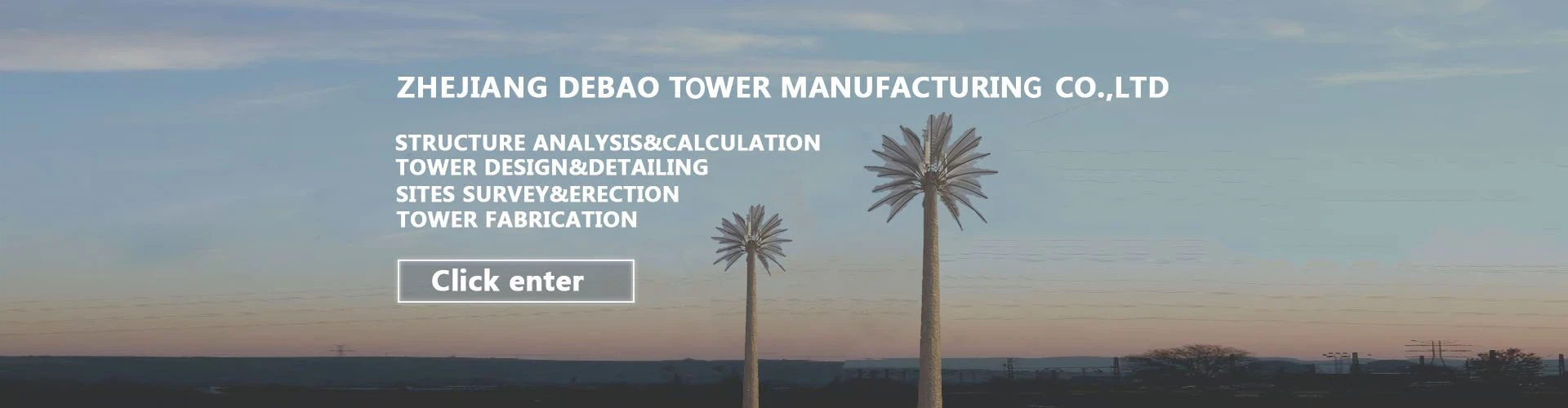
Cell towers have long been an essential part of modern communication networks. However, for aesthetic reasons, many people have expressed concern about the impact of these tall, unsightly structures on their surroundings. To mitigate these concerns, cell tower companies have taken action to camouflage these towers by disguising them as trees.
The use of cell towers that resemble trees provides several benefits. Firstly, these towers help to blend in with their natural surroundings, reducing the visual impact of the structures on their surroundings. This means that cell towers that look like trees don't draw as much attention to themselves, and are less likely to spoil the appearance of a natural landscape.
Secondly, tree-like cell towers can also help maintain a sense of uniformity and balance across an urban landscape. When a tower looks like a tree, it becomes less obtrusive and easier to integrate into the city's overall aesthetics.
Finally, by disguising cell towers as trees, companies can also help to protect local wildlife. The design of these towers is intended to mimic tree structures, providing nesting opportunities for birds and other creatures.
In conclusion, cell towers that are disguised as trees are an important innovation in modern communication technology. They're helpful for reducing the visual impact of these structures on their surroundings, and maintaining a sense of aesthetic balance in the environment. Additionally, these disguised towers help to protect local wildlife habitats. By investing in tree-shaped cell tower designs, telecom firms are able to demonstrate their commitment to preserving the environment, as well as serving their customers' needs.
Disguised Cell Towers
Zhejiang Debao Tower Manufacturing Co.,Ltd, establish in 2003, is the leading telecom tower manufacturer in china