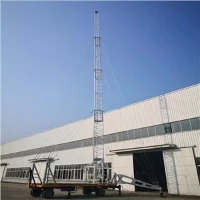


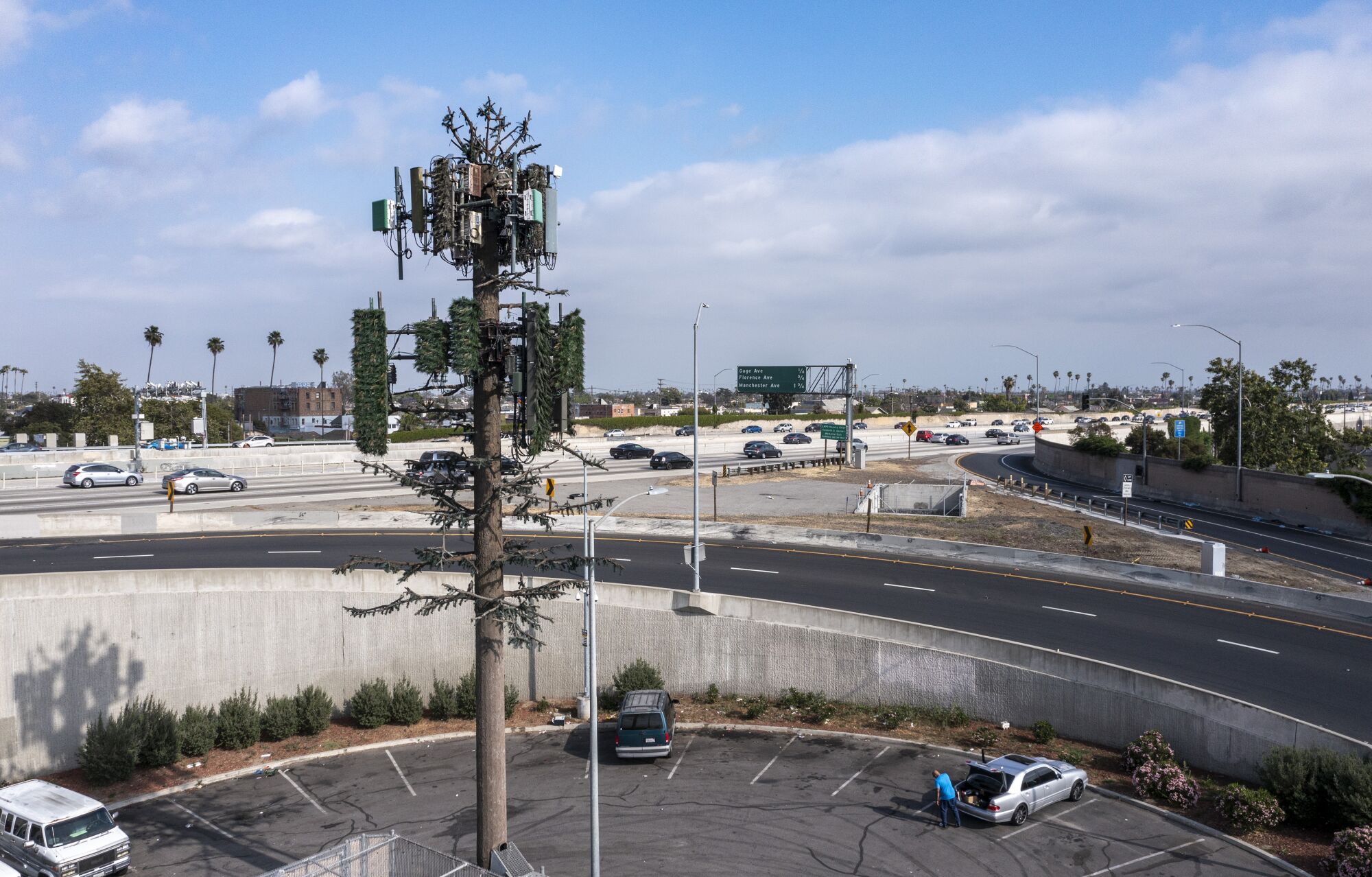
With the rise of mobile phones in the 1980s, more and more cellular network towers appeared
In the decades since, the camouflage business has flourished. Larsen expanded the range of trees to blend in with various regional settings, including the deserts of the sunny southern states. Today, they produce single pine, single palm, single elm, thuja and cactus. They even conduct wind tunnel testing to ensure their creations will hold up once installed.
Still, this camouflage isn't always entirely convincing, usually for one or more of the following reasons:
Cost: Camouflage can add more than $100,000 to the price of building the tower, leading some customers to skimp on expensive branches
Weight: Not only do branches add to construction costs, they also add pounds, which must be offset with a stronger trunk
Height: Faux trees are required to be extra tall for reception, often making them stand out from adjacent greenery
Seasonal: Pines may stay evergreen, but false deciduous trees may look out of place as leaves fall off living neighbors
Ironically, trying too hard to blend in can cause towers to stand out even more, falling into a sort of botanical "uncanny valley."
Where many fake trees won't do the trick, going with the building is still the way to go - or a simple, honest, clear tower instead of being designed to look like anything else.