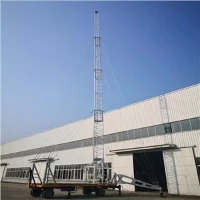


What is a cell tower?
A cell tower, also known as a cell site, is a place where electronic communications equipment and antennas are installed, allowing the surrounding area to use wireless communications equipment such as phones and radios.
Cell towers are typically built by tower companies or wireless carriers as they expand network coverage or capacity to provide better reception in that area. Cell phone towers are located basically all over the United States, although some cities have more than others. Millman Land has been there since the late 1990s, ensuring all cell towers are properly inspected.
There are currently more than 307,000 cell phone towers in the United States. They can sometimes be found on top of buildings. Sometimes cities need cell phone towers to blend seamlessly into the urban landscape. Rural areas sometimes hide them in treescapes, disguised as a tree.



Our wireless services include cell tower surveys, cell tower audits and completions. In this article, we aim to tell you more about cell phone towers and how they work. We also hope to quell growing concerns about 5G and put the rumors to rest.
How do cell towers work?
More than 300 million cell phones are used every day in the United States. Whenever a cell phone is used, it emits electromagnetic radio waves, called radio frequencies, which are picked up by the antenna of the nearest cell tower.
Once the cell tower receives the signal, it transmits it to the switching center. This allows the call to connect to another mobile phone or phone network. It's crazy to think that all of this happened in just a few seconds.
Cell phone tower components
Cell tower technology is incredibly fast, thanks to its components. You'll hear us mention cell phone carriers several times in this section. This is because many of the components of a cell tower are provided by the various cellular carriers (also known as wireless networks).
There are four wireless networks with the best coverage in the United States. The largest provider right now is Verizon, with 70% 4G coverage. AT&T follows with 68%. T-Mobile had 62% and Spring was fourth at 27%, a significant drop in coverage.
tower
There are actually four different types of cell towers. The first type is called a lattice tower. This type of tower is also called a self-supporting tower and offers incredible flexibility. It usually has three or four sides with a similarly shaped base.
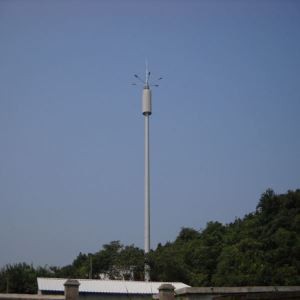
The second type of tower is the monopole tower. This type of tower utilizes a single steel or concrete tube tower, usually under 50 meters. It just needs a foundation. The antenna is fixed externally.
Guyed towers are cost-effective but require more land. It is usually built 100 meters or more, with guy wires attached to anchor and support it. They are attached to the ground in all directions. Most broadcast and television towers are guyed towers.
The fourth type is the invisible tower, which we briefly mentioned before. These are usually required by the council and are more expensive than the other three options, but are intended to beautify the neighborhood in which they are located. They need additional materials to help them hide in plain sight. While more attractive, they typically don't offer the same amount of capacity to tenants.
equipment
The equipment on a cell tower includes transceivers and other supporting technology. They are installed in cabinets or shelters, or any other way the wireless carrier chooses to protect them. Some people even create outdoor cabinets on concrete pads or prefabricated equipment sheds.
antenna
Okay, so we've touched on a lot of antennas, but what are they? Cell towers have multiple antennas attached to them, usually mounted on the headframe. Some towers even have as many as 15 antennas per carrier. This number really depends on the performance, coverage, and capacity requirements of the antenna.
Utilities and Access
Carriers will also install utilities at cell tower sites. Each operator has the right to operate the Site and provide telephone service. Each cell tower also requires initial installation and ongoing maintenance from the operator.
Related: A guide to cell tower performance
cell tower range
The components listed above can help determine how far away a cell tower is from your phone while still receiving a cell signal. This distance depends on the connection technology, landscape features (hills, trees, and buildings), the power of the tower transmitters, the size of the cell phone network, and the design capacity of the network.
Interestingly, cell towers sometimes intentionally set their transmitter bases to lower power to ensure that it does not interfere with neighboring cells.
But even taking all of these factors into account, a typical cell tower can still provide service from 45 miles away. This is really impressive! Let's take a closer look at which components affect a cell tower's range and effectiveness.
What affects cell tower coverage?
Cell tower coverage is not a fixed number. That's because there are many variables in the range at which cell towers can connect mobile devices. The most common variables include:
The height of the antenna relative to the surrounding landscape.
The frequency of the signal used.
Rated power of the transmitter.
Directional characteristics of field antenna arrays.
Nearby buildings and vegetation absorb and reflect radio energy.
local geographic or regulatory factors and weather conditions.
Cell phone towers are often built in areas with high population density. This is because these cities have the highest potential of mobile phone users. Because of this, you'll often find cell towers "overlapping" in more congested areas. This helps avoid interference issues.
If you find yourself wondering why there's no signal on your phone, it could be because you're too far from a tower, or because hills, large buildings, or other structures weaken your phone's signal. You may also lose signal if many people try to use a cell tower at the same time. This often results in the call being dropped.
While driving, your phone can switch from one cell tower to the next during a call. As you continue your journey, your phone will select the strongest signal and free up weaker towers so other callers can use them.
Another factor that can affect your signal is problems with cell towers. With the help of a surveyor like Millman National Land Services, these issues can be identified so they don't become a headache.