

analyze
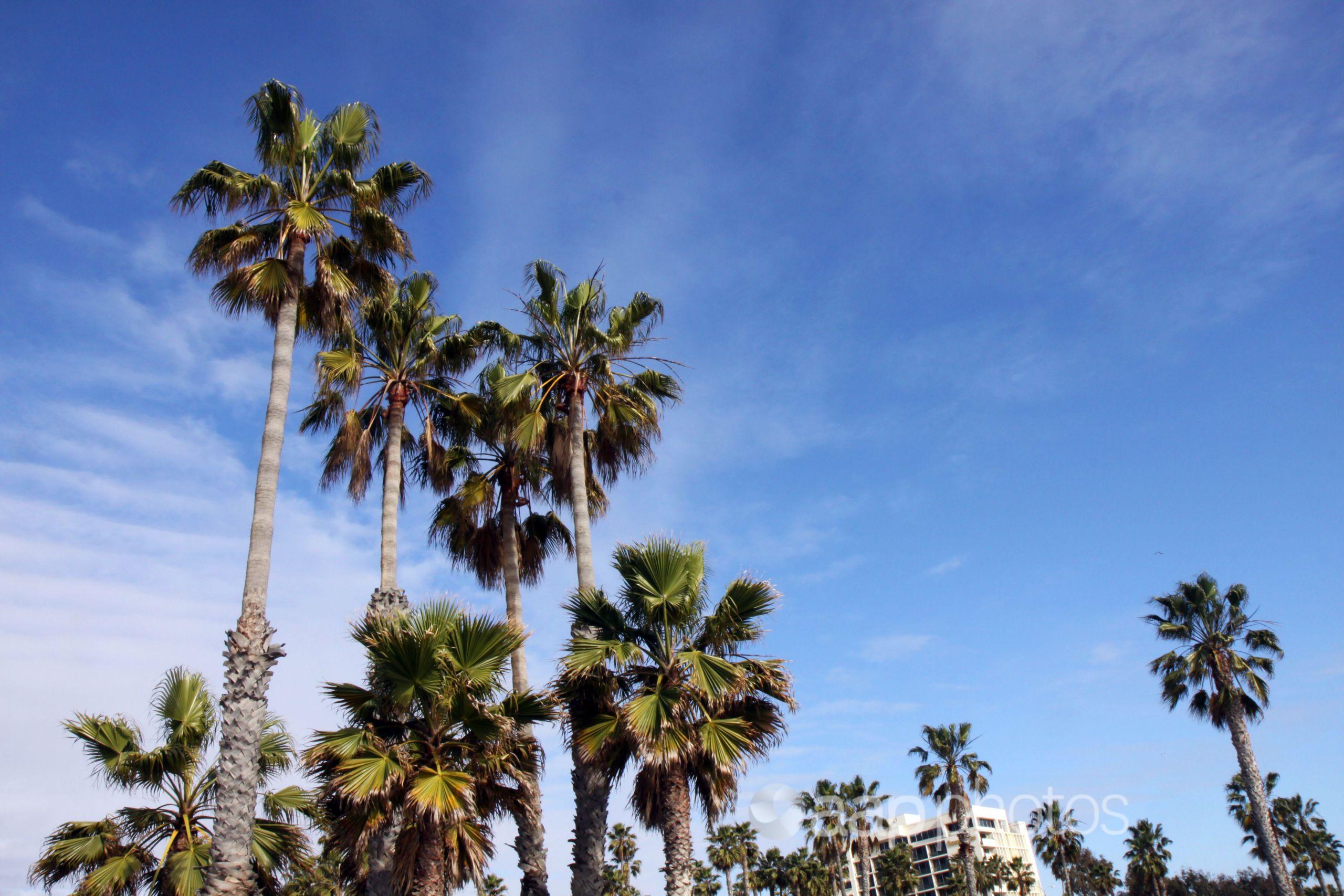
The history of disguising cell phone towers as trees can be traced back to the 1990s and was first proposed by Ivo Branislav Lazic of Brolaz Projects, a South African telecommunications company, and his colleague Aubrey Trevor Thomas. According to Wired magazine, Razik and Thomas came up with the world's first palm tree cell phone tower, the Palm Pole Tower. The tower is made of non-toxic plastic and installed in Cape Town in 1996. The original design of the couple concealed a mobile antenna with artificial leaves, "usually similar to the leaves and leaves of natural palm trees."
A New Zealand user’s Facebook post and accompanying photos made several statements: telecommunications companies are building cell phone towers disguised as trees; this is done to monitor the community, and "unwanted technology" is being imposed on consumers .
The photos in the post do not give a date, location or background. The pictures found by a reverse image search date back to October 22, 2014, and are characterized by a US company called NELLO on the website. The Indiana-based company describes itself as a "global leader in the design and manufacture of galvanized steel towers and poles."
On the page where the photo was taken, more detailed information about a product called Monopine Cell Tower, which NELLO calls "monopole disguised as a pine tree." The company stated that they "have become more and more popular in the past decade."
The post claims that it is true that telecommunications companies are building cell phone towers disguised as trees, but NELLO’s website claims that the popularity of single cell phone towers is due to aesthetic considerations.
The website stated: “Because of stricter zoning laws and the need for more towers in densely populated areas, wireless operators are forced to propose alternatives to traditional lattice towers or monopole towers.”
"Monopine has always been a popular solution because it is beautiful and easy to install. In addition, another benefit is that it has a small footprint and requires minimal space for deployment."
Regarding claims that telecommunications companies are using camouflage towers to "survey communities," AAP FactCheck sought comments from Vodafone New Zealand and the industry body Telecom Forum New Zealand.
Tony Baird, Director of Wholesale and Infrastructure at Vodafone NZ, told AAP FactCheck in an email: “We have about 1,600 base stations in New Zealand, as well as some mobile base stations (wheeled base stations or COW). We will deploy them when needed. They temporarily expand mobile coverage, such as during large concerts or COVID-19, to provide hospitals with more support for using mobile phones.
"We will not disguise any cell site as a tree. This is only for aesthetic or practical reasons, or when we cannot use a mobile unit site (COW).
"As an Internet service company, our only focus is to provide our customers with the best connection. We do not use cellular base stations for monitoring, and there are no cameras or monitoring capabilities on cellular base stations."
Geoff Thorn, CEO of the New Zealand Telecom Forum, told AAP FactCheck in a statement that cellular base stations were disguised "in very rare circumstances for aesthetic reasons."
"In every case, cellular base stations can provide mobile phones and broadband connections to local communities."
Regarding the statement that these towers are an example of “unwanted technology imposed on us,” NELLO’s website points out that the popularity of monopine is driven by the demand for “densely populated areas”, forcing wireless operators to propose “traditional lattice towers or Alternatives to monopoles "".