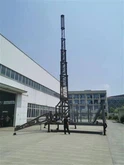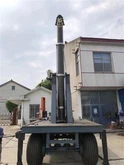


Lightning is a natural phenomenon that poses a serious threat to buildings, structures, and humans alike. It can cause significant damage and even fatalities if someone is caught outside during a thunderstorm. Hence, it is of paramount importance to implement proper lightning protection measures, and one such measure is the installation of lightning protection towers.
A lightning protection tower is a tall structure designed to attract lightning and safely conduct the resulting electrical charge to the ground. The tower acts as a sacrificial device, intercepting the lightning bolt and providing a safer path for the discharge of the electrical energy. In other words, the tower acts as a "lightning rod" and diverts the lightning strike away from the structure and its occupants, preventing damage and injuries.
The lightning protection tower is usually installed on the highest point of the structure, such as the rooftop or the top of a hill, so that it can attract the lightning strike before it reaches the building. The tower comprises of a metal rod or cable attached to a grounding conductor that is buried deep in the earth. The design of the tower and the conductor is such that they are able to withstand the high voltage and current associated with a lightning strike.
Lightning protection towers come in various sizes and designs, depending on the height and location of the building or structure they are designed to protect.