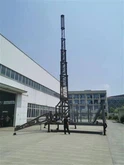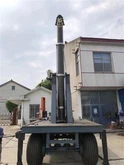


The base plate is the plate that is used to anchor the tower to the ground. It is typically made of steel. The base plate is usually embedded in concrete and is designed to provide a solid foundation for the tower. The wing plate is a steel plate that is attached to the side of the tower. It is used as a structural support for the tower and is designed to help spread the load of the tower across a larger area. The wing plate is typically bolted to the tower and is designed to resist forces such as wind, snow, and ice. It is often used in conjunction with other structural components to provide a stable and reliable tower structure.
The wing plate, on the other hand, is a smaller plate that is attached to the base plate and extends outwards to provide additional stability to the tower. It is usually bolted to the base plate and is designed to resist wind and other lateral forces that can cause the tower to sway or topple over.
Both the base plate and wing plate of a communication tower are crucial for ensuring the structural integrity and safety of the tower. They are designed and manufactured to meet strict industry standards and are rigorously tested before being installed.
One of the key challenges in designing and constructing the base plate and wing plate is ensuring that they can withstand the dynamic loads and stresses that are generated by the tower. This requires careful analysis and testing to determine the appropriate size, thickness, and material specifications for the plates.
In addition to providing structural support, the base plate and wing plate are also important from an aesthetic standpoint. They can be designed to match the overall look and feel of the tower, and can even be painted or coated to provide additional protection against corrosion and weathering.
Overall, the base plate and wing plate are critical components of a communication tower that play a vital role in ensuring its stability, safety, and functionality. By working closely with experienced engineers and manufacturers, tower owners can ensure that their towers are built to the highest standards and are capable of meeting the demands of modern communication networks.