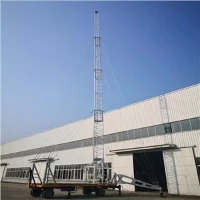


In today's rapidly evolving telecommunications landscape, the connection between cell towers and fiber-optic networks has become increasingly important. This article delves into the relationship between cell towers and fiber, exploring how this connection enhances network performance and supports the growing demand for high-speed data services.
The Importance of Fiber in Cellular Networks
Fiber-optic cables are the backbone of modern communication networks, providing high-speed, low-latency data transmission over long distances. Connecting cell towers to fiber networks offers several advantages:
1. High Bandwidth: Fiber-optic cables can carry significantly more data than traditional copper wires, enabling cell towers to handle a larger number of simultaneous connections and support data-intensive applications.
2. Low Latency: Fiber provides faster data transmission speeds, reducing latency and improving the overall user experience, especially for real-time applications like video streaming and online gaming.
3. Reliability: Fiber-optic networks are less susceptible to interference and signal degradation compared to other types of connections, ensuring more reliable service.
How Cell Towers Connect to Fiber
Connecting cell towers to fiber involves several steps and technologies:
1. Backhaul: Backhaul refers to the process of transmitting data from cell towers to the core network. Traditionally, this was done using microwave links or copper wires, but fiber has become the preferred medium due to its superior performance. Fiber backhaul allows for faster and more efficient data transfer between cell towers and the central network infrastructure.
2. Fiber-to-the-Tower (FTTT): FTTT is a specific application of fiber backhaul that involves laying fiber-optic cables directly to cell towers. This approach ensures that the cell tower has a direct, high-speed connection to the core network, enhancing its capacity and performance.
3. Middle Mile Infrastructure: In some cases, cell towers may not be directly connected to fiber. Instead, they connect to intermediate points known as middle mile infrastructure, which then connects to the core network via fiber. This approach can be more cost-effective in areas where direct fiber connections are not feasible.
Benefits of Fiber-Connected Cell Towers
The integration of fiber-optic networks with cell towers brings numerous benefits to both service providers and end-users:
1. Enhanced Network Capacity: Fiber-connected cell towers can handle more data traffic, supporting the increasing demand for mobile data services driven by smartphones, tablets, and IoT devices.
2. Improved Network Coverage: By providing cell towers with high-speed, reliable connections, fiber helps improve network coverage and reduce dead zones, ensuring better connectivity for users.
3. Support for Advanced Technologies: Fiber connections enable cell towers to support advanced technologies such as 5G, which require high bandwidth and low latency to deliver next-generation services like augmented reality, virtual reality, and autonomous vehicles.
Challenges and Considerations
Despite the advantages, connecting cell towers to fiber comes with its own set of challenges:
1. Cost: Laying fiber-optic cables can be expensive, particularly in rural or remote areas where the distance between cell towers and the core network is greater.
2. Infrastructure: Existing infrastructure may need to be upgraded or expanded to accommodate fiber connections, requiring significant investment and planning.
3. Regulatory Hurdles: Obtaining permits and approvals for fiber installation can be time-consuming and complex, varying by region and jurisdiction.
Conclusion
The connection between cell towers and fiber-optic networks is a critical component of modern telecommunications infrastructure. By leveraging the high bandwidth, low latency, and reliability of fiber, cell towers can provide enhanced network performance, improved coverage, and support for advanced technologies. While challenges remain, the ongoing expansion of fiber networks is expected to play a vital role in meeting the growing demand for high-speed, reliable mobile data services.
Feb 26, 2025
Are Cell Towers Connected to Fiber?
Previous
Send Inquiry
Product Categories
Latest Products