


Selecting the appropriate lamp pole height is a critical decision that impacts the functionality, safety, and aesthetic appeal of any lighting project. As a lamp pole supplier, I understand the importance of guiding clients through this process to ensure they make the best choice for their specific needs. In this blog post, I'll share insights on how to choose the right lamp pole height, taking into account various factors that influence this decision.
Understanding the Application
The first step in choosing the right lamp pole height is to understand the application for which the lighting is intended. Different environments and purposes require different lighting levels and coverage areas, which in turn determine the optimal pole height.
Street Lighting
For street lighting, the primary goal is to provide sufficient illumination for safe vehicle and pedestrian movement. The height of street lamp poles typically ranges from 8 to 14 meters, depending on the width of the road, traffic volume, and surrounding environment. Wider roads with higher traffic volumes generally require taller poles to ensure adequate light distribution across the entire roadway. For example, a major arterial road may require poles that are 12 to 14 meters tall, while a residential street may only need poles that are 8 to 10 meters high.
Parking Lot Lighting
Parking lot lighting aims to enhance visibility and security for drivers and pedestrians. The height of parking lot lamp poles usually ranges from 6 to 12 meters, depending on the size of the parking lot and the type of lighting fixtures used. Larger parking lots may require taller poles to cover a wider area, while smaller lots can be effectively illuminated with shorter poles. Additionally, the layout of the parking lot, including the presence of obstacles such as trees or buildings, can also influence the pole height selection.
Landscape Lighting
Landscape lighting is used to enhance the aesthetic appeal of outdoor spaces, such as parks, gardens, and public plazas. The height of landscape lamp poles can vary widely, depending on the specific design and lighting effects desired. Shorter poles, typically ranging from 2 to 4 meters, are often used to provide accent lighting for specific features, such as trees, shrubs, or sculptures. Taller poles, up to 6 meters or more, may be used to provide general illumination for larger areas or to create a dramatic lighting effect.
Considering the Lighting Fixtures
The type and characteristics of the lighting fixtures used in conjunction with the lamp poles also play a crucial role in determining the appropriate pole height. Different lighting fixtures have different light distribution patterns and beam angles, which can affect the coverage area and illumination levels.
Type of Lighting Fixtures
There are several types of lighting fixtures commonly used for outdoor lighting, including LED, HID (High-Intensity Discharge), and induction lamps. LED fixtures are becoming increasingly popular due to their energy efficiency, long lifespan, and high-quality light output. HID fixtures, such as metal halide and high-pressure sodium lamps, have been widely used in the past and are still suitable for certain applications. Induction lamps offer a combination of energy efficiency and long lifespan, making them a viable option for some lighting projects.
Light Distribution Patterns
Lighting fixtures can have different light distribution patterns, such as symmetric, asymmetric, and narrow or wide beam angles. Symmetric distribution patterns are suitable for applications where uniform illumination is required, such as parking lots and streets. Asymmetric distribution patterns are often used for applications where the light needs to be directed towards a specific area, such as along a sidewalk or in front of a building. The beam angle of the lighting fixture determines the spread of light, with narrower beam angles providing more concentrated light and wider beam angles providing broader coverage.
When selecting the lamp pole height, it's important to consider the light distribution pattern and beam angle of the lighting fixtures to ensure that the desired illumination levels and coverage area are achieved. For example, if a lighting fixture has a narrow beam angle, a taller pole may be required to achieve the desired coverage area. Conversely, if a lighting fixture has a wide beam angle, a shorter pole may be sufficient.
Evaluating the Surrounding Environment
The surrounding environment also has a significant impact on the choice of lamp pole height. Factors such as the presence of buildings, trees, and other obstacles, as well as the topography of the area, need to be taken into account to ensure that the lighting is not obstructed and that the desired lighting effects are achieved.
Obstacles
Buildings, trees, and other obstacles can block the light from the lamp poles, creating shadows and reducing the effectiveness of the lighting. When selecting the lamp pole height, it's important to consider the location and height of any obstacles in the vicinity. For example, if there are tall buildings or trees near the lighting area, taller poles may be required to ensure that the light is not blocked. Additionally, the orientation of the obstacles relative to the lighting area should also be considered to minimize the impact of shadows.
Topography
The topography of the area, including the slope and elevation changes, can also affect the choice of lamp pole height. In areas with significant slope or elevation changes, taller poles may be required to ensure that the light is evenly distributed across the entire area. Conversely, in flat areas, shorter poles may be sufficient. It's also important to consider the visibility of the lamp poles from different viewpoints, especially in areas with high pedestrian or vehicle traffic.
Complying with Local Regulations
In addition to the technical and environmental factors, it's also important to comply with local regulations and standards when choosing the lamp pole height. Local authorities may have specific requirements regarding the maximum and minimum pole heights, as well as the spacing between poles, to ensure the safety and functionality of the lighting system.
Building Codes
Building codes typically specify the minimum and maximum heights for lamp poles, as well as the structural requirements for the poles and the lighting fixtures. These codes are designed to ensure that the lighting system is safe and stable, and that it does not pose a hazard to the public. When selecting the lamp pole height, it's important to consult the local building codes and ensure that the proposed design complies with all applicable requirements.
Zoning Regulations
Zoning regulations may also have an impact on the choice of lamp pole height. These regulations typically govern the use of land and the development of buildings and structures in a specific area. Some zoning regulations may restrict the height of lamp poles in certain areas, such as residential neighborhoods or historic districts, to preserve the character and aesthetics of the area. When selecting the lamp pole height, it's important to consult the local zoning regulations and ensure that the proposed design is in compliance.
Our Product Offerings
As a lamp pole supplier, we offer a wide range of high-quality lamp poles to meet the diverse needs of our customers. Our Solar Lamp Galvanized Steel Poles are designed to provide reliable and energy-efficient lighting solutions for outdoor applications. These poles are made from galvanized steel, which provides excellent corrosion resistance and durability, ensuring a long lifespan in various environmental conditions.
In addition to solar lamp poles, we also offer GSM Antenna Communication Monopole Tower for communication applications. These towers are designed to support GSM antennas and other communication equipment, providing reliable communication services in remote areas or areas with poor signal coverage.
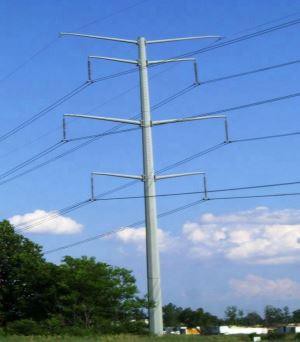

Our Galvanized Steel Utility Steel Pole are suitable for a variety of applications, including street lighting, parking lot lighting, and landscape lighting. These poles are available in different heights and diameters to meet the specific requirements of each project. They are also designed to be easy to install and maintain, reducing the overall cost of the lighting system.
Contact Us for Procurement
Choosing the right lamp pole height is a complex decision that requires careful consideration of various factors. As a lamp pole supplier, we have the expertise and experience to help you make the best choice for your lighting project. Whether you need street lighting, parking lot lighting, or landscape lighting, we can provide you with high-quality lamp poles that meet your specific requirements.
If you're interested in learning more about our products or discussing your lighting project, please don't hesitate to contact us. Our team of experts will be happy to assist you with your procurement needs and provide you with a customized solution that fits your budget and timeline.
References
- IESNA Lighting Handbook, 10th Edition
- National Electrical Code (NEC)
- Local Building Codes and Zoning Regulations


