
Earthquakes are natural disasters that pose a significant threat to the stability and functionality of various structures, including telecom shelters. As a leading supplier of telecom shelters, we understand the crucial importance of ensuring that our shelters can withstand the forces generated by seismic activities. In this blog, we will explore the science and engineering behind how telecom shelters resist earthquakes, highlighting the key features and technologies we incorporate into our products.
Understanding Seismic Forces
Before delving into the specific measures taken to make telecom shelters earthquake-resistant, it is essential to understand the nature of seismic forces. Earthquakes generate waves that travel through the ground, causing the soil and any structures built on it to vibrate. These vibrations can vary in intensity, frequency, and duration, depending on the magnitude of the earthquake and the distance from the epicenter.
The primary types of seismic waves are P-waves (primary waves), S-waves (secondary waves), and surface waves. P-waves are the fastest and cause the ground to compress and expand in the direction of wave propagation. S-waves are slower and move the ground perpendicular to the direction of the wave. Surface waves, which are the most destructive, travel along the Earth's surface and cause the ground to roll, sway, and shake.
Design Principles for Earthquake Resistance
To ensure that our telecom shelters can withstand seismic forces, we adhere to several design principles and standards. These principles are based on decades of research and experience in earthquake engineering and aim to minimize the risk of structural failure and damage during an earthquake.


Structural Integrity
The foundation of any earthquake-resistant telecom shelter is its structural integrity. We use high-strength materials and advanced manufacturing techniques to construct shelters that are robust and durable. Our shelters are designed to distribute seismic forces evenly throughout the structure, reducing the stress on individual components and preventing localized failures.
Flexibility and Ductility
In addition to strength, flexibility and ductility are crucial properties for earthquake-resistant design. Flexibility allows the shelter to bend and deform under seismic loads without breaking, while ductility enables the structure to absorb and dissipate energy through plastic deformation. Our shelters are engineered to have a certain degree of flexibility and ductility, which helps them to withstand the dynamic forces generated by earthquakes.
Redundancy
Redundancy is another important design principle for earthquake resistance. By incorporating redundant structural elements and connections, we ensure that the shelter can still function even if some parts are damaged during an earthquake. This redundancy provides an additional layer of safety and reliability, reducing the likelihood of a complete structural failure.
Key Features of Our Earthquake-Resistant Telecom Shelters
Based on these design principles, we have developed a range of earthquake-resistant telecom shelters that incorporate several key features and technologies.
Seismic Isolation Systems
One of the most effective ways to protect a telecom shelter from seismic forces is to use a seismic isolation system. This system consists of flexible bearings or isolators that are placed between the shelter and its foundation. These isolators decouple the shelter from the ground motion, allowing it to move independently of the shaking soil. By reducing the transfer of seismic forces to the shelter, the isolation system helps to minimize the damage and structural deformation.
Reinforced Structures
Our telecom shelters are built with reinforced structures to enhance their strength and resistance to seismic forces. We use high-strength steel and concrete in the construction of the shelter's frame, walls, and roof, and reinforce these components with additional steel bars and mesh. This reinforcement helps to distribute the seismic loads evenly throughout the structure and prevent cracking and collapse.
Energy Dissipation Devices
In addition to seismic isolation and reinforcement, we also incorporate energy dissipation devices into our telecom shelters. These devices, such as dampers and braces, are designed to absorb and dissipate the energy generated by seismic waves. By converting the kinetic energy of the earthquake into heat or other forms of energy, the energy dissipation devices help to reduce the shaking and damage to the shelter.
Advanced Monitoring Systems
To ensure the ongoing safety and performance of our telecom shelters, we equip them with advanced monitoring systems. These systems use sensors to measure the structural response of the shelter during an earthquake, including the acceleration, displacement, and strain. The data collected by the sensors is transmitted to a central monitoring station, where it can be analyzed in real-time to assess the damage and determine the need for any repairs or maintenance.
Case Studies
To illustrate the effectiveness of our earthquake-resistant telecom shelters, we would like to share a few case studies from our projects around the world.
Case Study 1: Telecom Shelter in a High-Seismic Zone
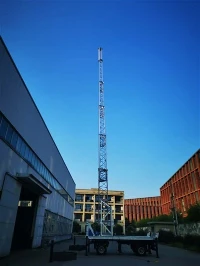
In a region prone to frequent earthquakes, we installed a Standard Telecom Equipment Shelter for a major telecom operator. The shelter was equipped with a seismic isolation system and reinforced structures to withstand the high seismic forces in the area. During a recent earthquake, the shelter remained intact and continued to function normally, ensuring uninterrupted communication services for the local community.
Case Study 2: Camouflaged Telecom Tower in a Seismic Area
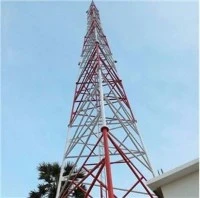
We also provided a Palm Leaf For Camouflaged Telecom Towers for a telecom company in a seismic area. The tower was designed to blend in with the surrounding environment while providing reliable communication services. Despite the strong ground shaking during an earthquake, the tower's earthquake-resistant design and energy dissipation devices helped to minimize the damage and maintain its structural integrity.
Case Study 3: Single Tower Installation in an Earthquake-Prone Region
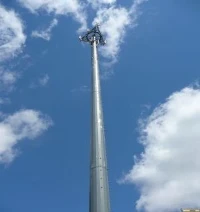
In another project, we installed a Telecom Pine Steel Single Tower in an earthquake-prone region. The tower was built with high-strength steel and equipped with a seismic monitoring system to detect any signs of damage or structural instability during an earthquake. Thanks to its robust design and advanced monitoring capabilities, the tower was able to withstand the seismic forces and continue to operate safely.
Contact Us for Earthquake-Resistant Telecom Shelters
As a trusted supplier of telecom shelters, we are committed to providing our customers with high-quality, earthquake-resistant solutions that meet their specific needs. Whether you are looking for a standard telecom equipment shelter, a camouflaged telecom tower, or a single tower installation, we have the expertise and experience to deliver the right product for your project.
If you are interested in learning more about our earthquake-resistant telecom shelters or would like to discuss your specific requirements, please contact us today. Our team of experts will be happy to assist you and provide you with a free consultation and quote.
References
- Chopra, A. K. (2012). Dynamics of structures: theory and applications to earthquake engineering. Pearson.
- Priestley, M. J. N., Seible, F., & Calvi, G. M. (1996). Seismic design and retrofit of bridges. Wiley.
- National Earthquake Hazards Reduction Program (NEHRP). (2015). Recommended seismic design provisions for new buildings and other structures. Federal Emergency Management Agency (FEMA).