




Products Description
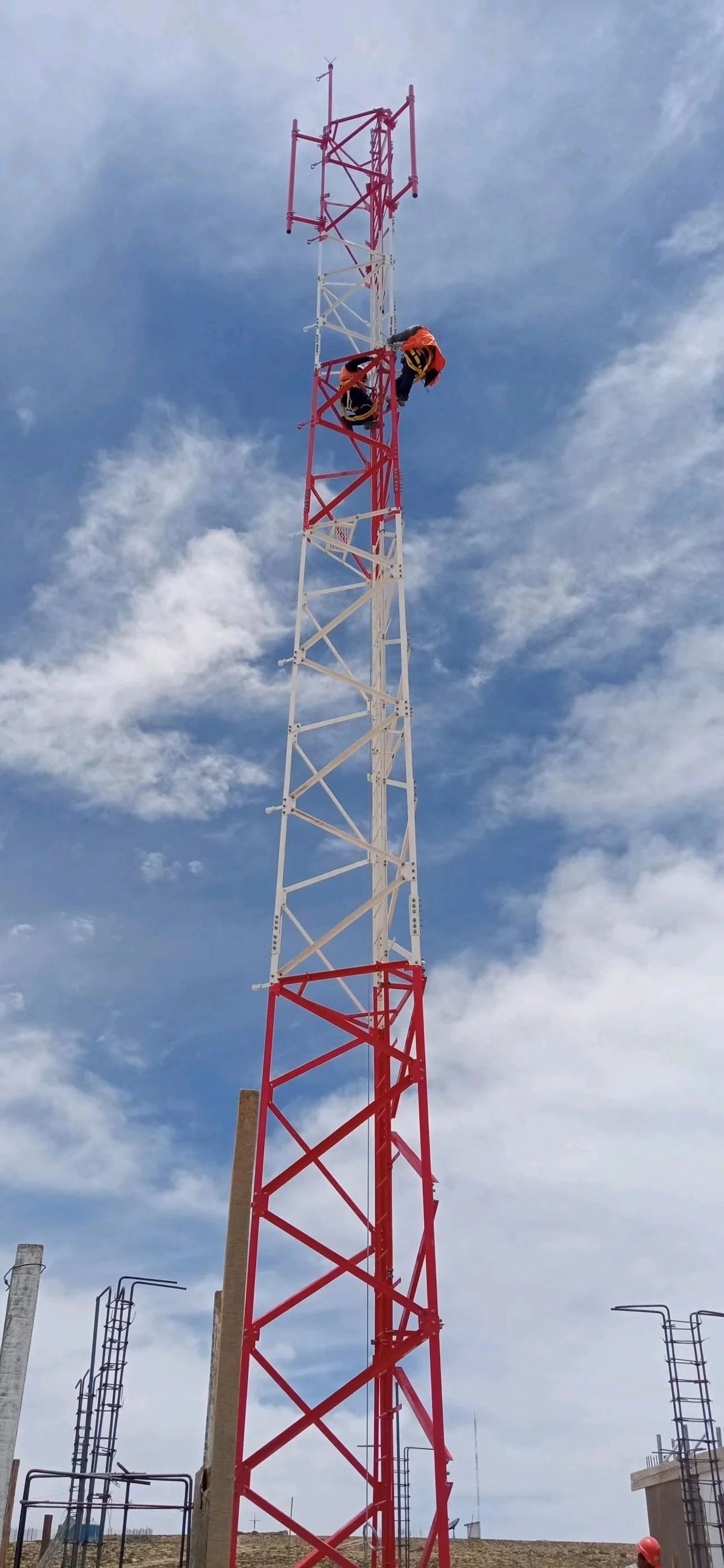
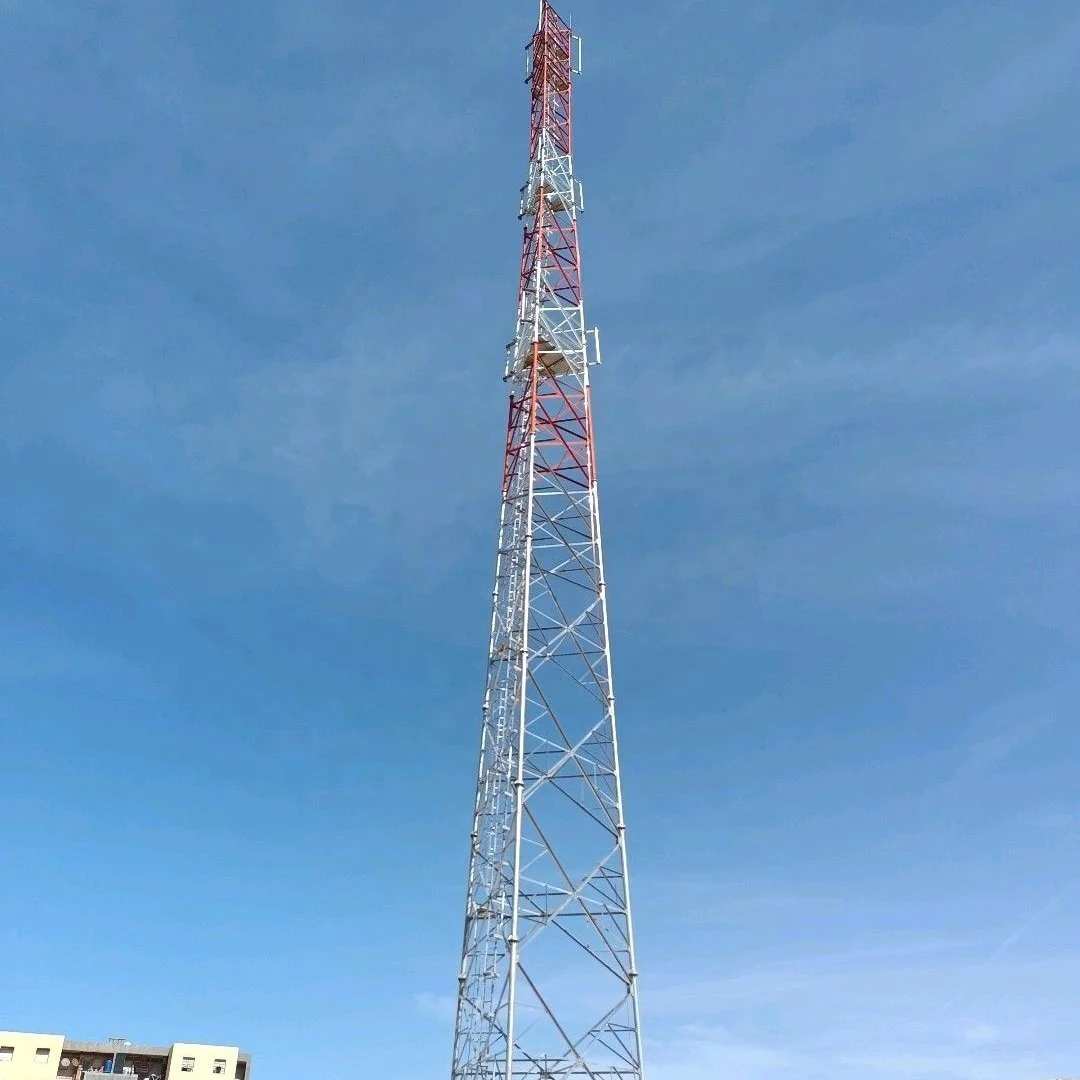
self supporting communication tower, also known as a lattice tower or a transmission tower, is a tall structure used for supporting antennas, power lines, and other types of communication equipment. These towers are built to handle extreme weather conditions and support heavy loads while maintaining structural integrity. The design of self supporting communication tower has evolved over time, and now they are constructed using advanced materials and engineering techniques to ensure their longevity and durability.
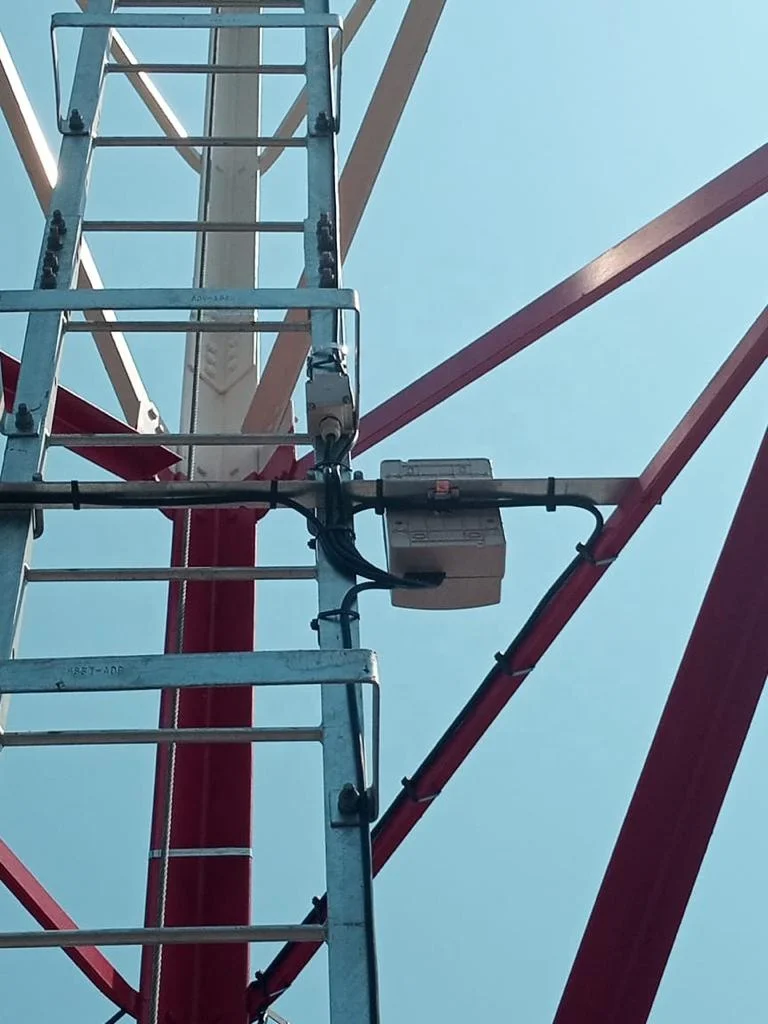
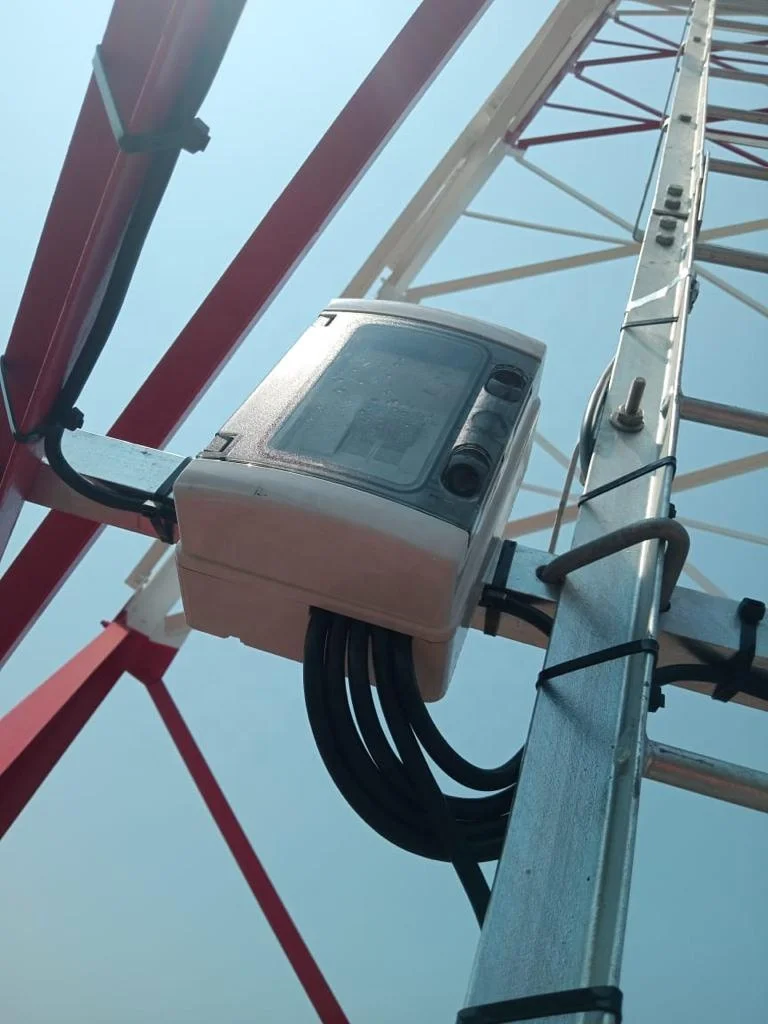
Self supporting communication tower components include the main structure, foundation, anchors, and accessories. The main structure consists of the legs, braces, and lattice bars, while the foundation is used to provide support and stability to the tower. The foundation is usually made up of reinforced concrete and is anchored deep underground to prevent the tower from toppling over due to strong winds or earthquakes. The anchors are embedded into the ground and connected to the tower to keep it in place. Accessories include lightning rods, aviation warning lights, and communication equipment such as antennas.
The tower design and construction of a self supporting communication tower are critical to its functionality and longevity. Self supporting communication tower must be able to withstand natural disasters, such as wind, snow, and earthquakes, as well as environmental factors like corrosion and erosion. The tower's design must also be optimized to reduce weight while maintaining structural strength, ensuring that the tower is easy to transport and install.
Functionality of Self-Supporting Communication Towers
Self-supporting communication towers play a crucial role in the telecommunications industry. They have several functions, including:
1. Supporting Antennas
Self-supporting towers are designed to support multiple antennas mounted on a single structure. They provide a stable platform for transmitting and receiving signals that are essential for various communication technologies. The height of the tower allows for the installation of higher-gain antennas, which can transmit and receive signals over longer distances.
2. Providing Structural Stability
Self-supporting communication towers are designed to withstand adverse weather conditions such as high winds, heavy snow, and ice. Their steel structure and triangular design provide the necessary strength and stability for the tower to withstand any harsh weather conditions. This stability is essential for the equipment mounted on the tower, ensuring that transmissions are not disrupted due to structural instability.
3. Supporting Multiple Communication Technologies
Self-supporting towers can support various communication technologies through the installation of different antennas and equipment. These technologies include cellular, radio, television, and satellite communications, among others. Self-supporting towers provide a centralized location for the installation of multiple communication technologies, reducing the need to install multiple towers.
4. Supporting Remote Locations
Self-supporting towers can be installed in remote locations, where other types of towers cannot be installed due to accessibility issues. These towers are essential for providing communication services to remote areas, making it possible for residents to access essential services such as healthcare, education, and financial services.
Products Pictures
Products Details
Company & Factory

Our Customer

Contact us:
Mr.Brooks shen
E-mail:brooks@dbtower.cn
WhatsApp:8613666651334
Hot Tags: cellular communication wireless antenna tower, China, manufacturers, suppliers, factory, wholesale, quotation, customized, Radio Pole Towers, Wireless Network Tower Towers, Self supporting steel telecom cell towers, Self supporting Tubular Tower, Internet Tower For Telecommunications Industry, Telecommunication Transmission Towers


