




Products Description
Advantages of self-supporting microwave communication towers
1. Structural stability and durability
Self-supporting microwave communication towers are designed to withstand extreme weather conditions, including strong winds, heavy snowfall, and seismic activity. The tower structure's stability and durability ensure the antenna's proper functioning, maintaining the communication system's reliability.
2. Flexible design and height
Self-supporting microwave communication towers come in various designs, including straight, tapered, and conical models, and can be erected to different heights as required. This flexibility allows the tower to adapt to different environments, meet different communication needs, and save construction costs.
3. Easy installation and maintenance
Self-supporting microwave communication towers can be pre-assembled off-site and transported to the installation location, reducing installation time and labor costs. Maintenance also becomes more straightforward due to the tower's accessible location and the absence of guy wires, making repairs and upgrades more convenient.
4. Cost-effective
Self-supporting microwave communication towers offer a cost-effective solution compared to other types of towers. Their easy installation and maintenance reduce labor and material costs, while their long lifespan reduces the need for frequent replacements, saving operating expenses.
Design and Construction
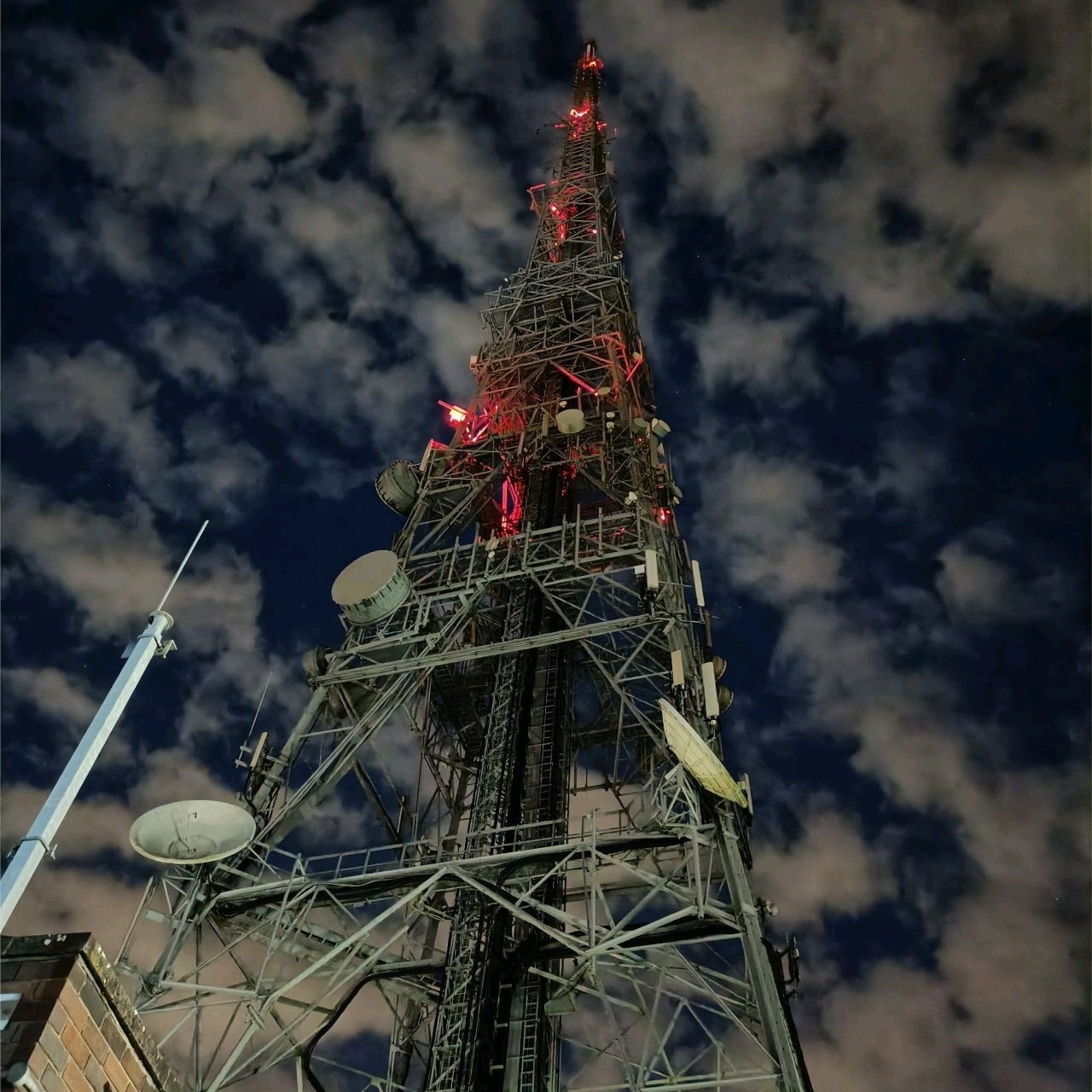
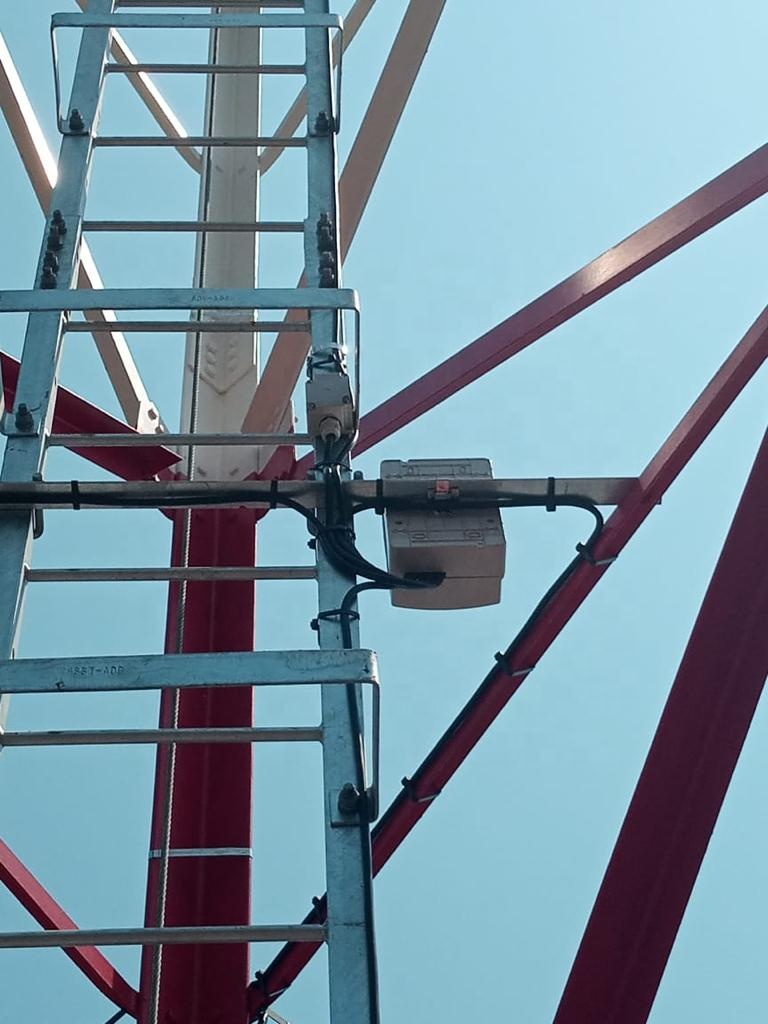
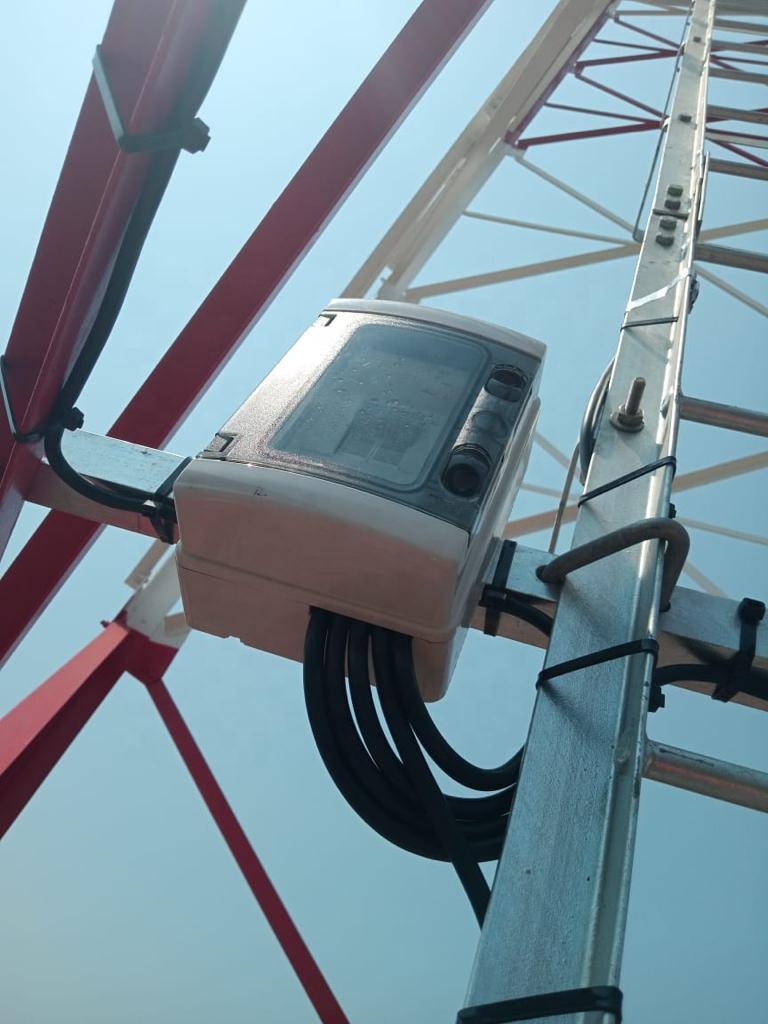
Self-supporting microwave communication towers are typically made of galvanized steel and consist of a base, a tower shaft, and an antenna mounting system. The base of the tower is usually either a concrete foundation or an anchor bolt assembly embedded in the soil. The tower shaft is a lattice structure consisting of vertical and horizontal members, forming a triangular or square cross-section. The antenna mounting system is usually located at the top of the tower shaft and consists of a platform, brackets, and a lightning rod.
The tower's design is determined based on several factors, including the maximum wind speed, the tower's height, the antenna's weight and size, and the soil's bearing capacity. The tower's design also considers the construction regulations and standards for the relevant region, ensuring the tower's stability, durability, and safety.
The design of a self-supporting communication tower typically consists of a triangular or square base that provides the stability needed to support the tower. The tower is then constructed using sections of steel tubing or other materials that are bolted together to form a tall, sturdy structure. The tower may be guyed, which means that it is supported by guy wires that are anchored to the ground at various points, or it may be self-supporting, which means that it can stand on its own without the need for guy wires.
Products Photos
Company & Factory

Our Customer

Contact us:
Mr.Brooks shen
E-mail:brooks@dbtower.cn
WhatsApp:8613666651334
Hot Tags: microwave tubular communication towers, China, manufacturers, suppliers, factory, wholesale, quotation, customized, Camouflage Wireless Tower, Wireless Three Legged Cell Tower, Antenna Monopole Steel Towers, Wifi Self supporting Steel Telecom Cell Towers, Telecommunications Wireless Steel Tower Towers, Lightning Protection Wireless Tower


