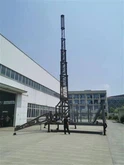


In modern times, communication networks play a critical role in connecting people, businesses, and organizations throughout the world. With the increasing number of mobile devices and the rising demand for high-speed internet, proper infrastructure is necessary to support the uninterrupted flow of data. One essential element of this infrastructure is the rooftop communication tower.
Rooftop communication towers are tall structures that are constructed on top of buildings to facilitate a wide range of wireless communication services. These towers provide high-quality network coverage for mobile phones, internet access, television broadcasting, and radio transmission. They serve as an essential component of the communication infrastructure, ensuring the efficient transmission of signals from one communication device to another.
The features of a rooftop communication tower can vary depending on the specific needs of the user or service provider. However, some key characteristics of these towers include:
1. Height and Location
Height and location are two essential aspects of communication towers. Rooftop towers are often installed on tall buildings to enable better network coverage. These towers must be placed in a location with a clear line of sight to the surrounding areas with which they will communicate.
2. Durability and Stability
Rooftop towers must be built to withstand extreme weather conditions, such as high winds, heavy rains, and lightning. They must also be stable enough to support the weight and equipment of other telecommunication devices to ensure their operational efficiency.
3. Safe Access
Rooftop communication towers require safe access for maintenance and repairs. Access ladders or stairways, guardrails, and other safety equipment must be installed to ensure the safety of the workers who will maintain the towers.
4. Compatibility
Rooftop communication towers must be compatible with different types of antennas that serve different purposes. The antennas must be carefully selected to ensure that they have the optimal capacity to support the services offered by the communication network.
5. Aesthetics
Rooftop communication towers must be visually appealing to the public as well as the building owners. They are installed on top of buildings in densely populated areas; therefore, they must be aesthetically designed to blend with the architectural style of the building without causing any visual pollution.
Rooftop communication towers are a vital component of the telecommunications infrastructure that supports modern communication. They provide increased coverage and seamless connectivity to mobile, internet, and broadcasting services. The features of a rooftop communication tower, such as location, durability, stability, safe access, compatibility, and aesthetics vary, depending on the specific needs of the users and service providers. It is essential to understand the importance of these towers and the role they play in ensuring uninterrupted network coverage to meet the demands of our ever-changing communication needs.